"La situazione sta peggiorando. Gridate con noi che i diritti umani sono calpestati da persone che parlano in nome di Dio ma che non sanno nulla di Lui che è Amore, mentre loro agiscono spinti dal rancore e dall'odio.
Gridate: Oh! Signore, abbi misericordia dell'Uomo."

Mons. Shleimun Warduni
Baghdad, 19 luglio 2014

23 ottobre 2015

Ammar continua a dare speranza

By Alessandro Ciquera 

Emad è ritto dietro al suo banco presso i giardini Abu Nawaf, al Forum Sociale Iracheno.

Come molte altre organizzazioni della società civile ed alcuni sindacati ha allestito lo stand che spiega le attività che porta avanti insieme alla associazione di cui fa parte: l’Institute for war e peace reporting.

Si muove avanti e indietro intorno al tavolo, nonostante una stampella che lo accompagna in tutti i movimenti, ma che lui non si cura di nascondere. Ai miei occhi questa stampella diventa il simbolo della sua voglia di riscatto e di dignità: ad inizio maggio Emad è stato vittima di una autobomba mentre stava camminando per strada insieme al suo amico Ammar Al Shabander. Ammar lavorava con lui all’ Istituto, ma quel giorno non è più potuto tornare a casa da sua moglie e dai suoi figli, e né in quelli successivi, entrando a far parte di quella grande cifra a più zeri che conta i caduti e gli uccisi dalla violenza di questa guerra.
Questi numeri sono nomi ed ogni nome ha dietro di sé una storia. Parlare di alcuni di queste storie significa fornire a quei numeri vuoti e anonimi il primo dei diritti che dovrebbero essere riconosciuti ad un essere umano: il diritto ad essere chiamato per nome. Il primo diritto che acquisiamo alla nostra venuta al mondo, sia che questo accadimento si svolga in un reparto ospedaliero sia in una capanna di paglia e fango.
L’Institute for war and peace reporting supporta e accompagna reporter locali, giornalisti di impegno civico e attivisti per i diritti in diverse dozzine di paesi in conflitto e in crisi intorno al mondo. Contribuiscono a lavorare per la pace rafforzando l’abilità dei media di parlare a voce alta contro il potere costituito, che spesso rappresenta macchine del fango corrotte e affittate ad interessi occidentali. Oltre a ciò propongono e finanziano corsi di aggiornamento e aiutano i loro uomini e donne ad inserirsi nel dibattito pubblico, nel portare voci libere e coraggiose. Voci singole, senza legami particolari, che troppo spesso i nostri telegiornali in Italia ed Europa ignorano o snobbano perché considerati troppo indipendenti.
In Iraq svolge anche un ruolo di monitoraggio nelle elezioni pubbliche e nella legislazione del Parlamento sui temi della libertà e non affiliazione del mondo dell’informazione pubblica e non.
Ammar era il responsabile della missione associativa a Baghdad e svolgeva il suo compito con grande passione: diversi sono i documenti e le dichiarazioni pubbliche che ne hanno riconosciuto il valore: “L’Iraq ha perso una grande mente, un giornalista impegnato ed un attivista per i diritti umani. Il suo lavoro non sarà mai dimenticato, e il suo lavoro per il cambiamento fungerà da esempio per altri”.
Un giorno prima della bomba Ammar era una persona che camminava, sorrideva, stringeva relazioni e costruiva progetti, una persona viva, che viveva. La sera successiva non esisteva più, ha passato quel velo trasparente che tanti altri hanno passato prima, ed oggi lo incontro qui in questi giardini verdi e caldi lungo il Tigri, a sorridermi in una grande fotografia dietro il banco gestito dal suo compagno di strada Emad.
In alcuni dei suoi scritti su Twitter aveva pubblicato fotografie e testimonianze della festa di San Valentino a Baghdad, con uno scritto ironico che accompagnava le foto di fuochi d’artificio rosa e di mille colori: “Giovani iracheni festeggiano la festa degli innamorati, sfidando l’Isis a soli 50 chilometri di distanza fuori dalla città”.
Ancora su Twitter, un post con immagini della festa dei Fiori all’inizio dell’Estate, con uno spezzone ripreso di una band locale mentre suona Hotel California, degli Eagles.
Sul libro di condoglianze, reso in parte pubblico in rete, sua moglie Angela ha scritto queste parole:  “Tu hai trovato ora quella pace che Baghdad non ti ha potuto offrire e questa sarà la mia consolazione. Mio amato, mio amico, mio marito e padre dei miei figli. Riposa in pace”
“Parlo ai nostri bambini di lui circa ogni giorno. Adam è calmo, come suo padre. Lara è sfacciata, come suo padre. Zack ha solo due anni ma cammina già, parla e mangia esattamente come suo padre. Jenna ha solo nove mesi di età, ma chissà cosa ci riserva? I bambini sapranno che il loro padre gli ha lasciato una eredità di cui possono andare orgogliosi”.
“Il 27 di Aprile, pochi giorni prima di essere ucciso, Ammar ha partecipato ad una conferenza focalizzata sui giovani iracheni. Lui disse loro che avevano un futuro nella loro terra natia: che anche se noi avessimo fallito nel costruire un nuovo Iraq, loro avrebbero avuto successo. Ha detto a quei giovani in ascolto che loro avrebbero trovato un modo differente di combattere”.
Anche questo fa parte della quotidianità nelle strade di queste città assurde, a cui probabilmente non ci si riuscirà mai a fare davvero l'abitudine fino in fondo. Cosa ci dà quindi davvero senso? Quale lampada guida i nostri passi in questo mondo incerto?.
Una parte della risposta mi arriva dalla forza e dal rigore morale di Emad, che nonostante le ferite interiori ed esteriori anche oggi, sotto il sole, è venuto ad allestire il materiale e le testimonianza del loro impegno e del loro coraggio nel testimoniare la guerra e la pace in questo angolo di mondo.
“Nel peggiore dei casi immaginabili, Ammar ha dato speranza. Potrà questa speranza essere estinta? O forse può essere che, tramite il suo passaggio, egli sia riuscito ad ispirare coloro con cui è entrato in contatto?”.
 
Alessandro Ciquera ha partecipato come rappresentante della Comunità Papa Giovanni XXIII al Forum Sociale per la Pace e la Coesistenza che si è svolto a Baghdad dal 1 al 3 ottobre scorsi.
Una volta tornato in Italia ha voluto mettere per iscritto le impressioni suscitate in lui dalla visita ad una parte dell'Iraq, Baghdad ma anche la provincia di Hillah e le rovine di Babilonia, che ancora non conosceva, e soprattutto le parole e le riflessioni delle molte persone che ha incontrato e che, come ha detto a Baghdadhope: "dimostrano che, nonostante ciò che si pensa in Occidente, la coesistenza delle diverse entità etniche e religiose in Iraq è possibile, o comunque fortemente voluta."
Baghdadhope pubblica gli scritti di Alessandro Ciquera. 

22 ottobre 2015

Family of five: We pray for ISIS

By Patheos
David Rupert

They call the units “caravans” and they are little more than 8 x 15 hard shell metal boxes with a window. Set up like a miniature trailer park, children play and women huddle in groups while men tell stories. But for these 82 Iraqi refugees, this will never be home.
She tilted her head as she recounted that fateful day more than a year ago.
“We left everything behind. I assumed it would be just for a day or two or a week. I never imagined we would end up here. I never imagined we would leave for good.”
Her name is Ahlaam and she lives in a caravan with her husband and three children. Her name means “dreams” and she lives it out every day.
It’s cramped, but safely away from the threats they left, and for that she is thankful.

We had a good life

Her children, ages 15, 13, and 10, have resumed school and for that she is grateful to have some structure. Like any Mom, she looks over at her children and preens, bragging on their grades and their aptitude scores. There are two older children who already left home and are safely living in the West.
The family home was in the village of Qaraqosh, near Mosul Iraq. ISIS was at the city’s edge and the Kurds were fighting them off. Ordinance from both sides often fell in their neighborhood.
One of the bombs fell near their home, killing three people including Ahlaam’s cousin. Then the Kurds withdrew, leaving the beleaguered city to the terrorists. It was then they decided to leave.
It’s humbling for the family to live in these conditions. Ahlaam’s husband was a flooring specialist, laying ceramic tile. “We had a good life. We lived in a castle. Now the rain comes through our roof.”
But she’s grateful for the food and housing provided by Caritas, the Catholic Relief organization. But after a year, living in such limiting conditions is taking a toll.

What’s next?

“It is impossible for us to go back. We gave up on Iraq,” she said.
It’s not just ISIS they fear.
Her husband served as an interpreter for U.S. forces in the past and while living in Mosul was threatened with his life. A friend who had provided similar services was murdered.
According to Ahlaam, Christians who still remain in Mosul are denied wages and work.
“So, we are looking for immigration.”
They have been interviewed twice by the U.N.
“All they told us was to wait,” said Ahlaam. “I don’t care. Any country. I just want to settle down.
“I don’t care about my lands and home, as long as the children are safe, “she said. “I’m grateful to Jesus for taking us out of the situation. “

Pray for your enemies

I asked if after all this time if she was doubting God.
She shook her head. “No, my faith is getting stronger.”
I asked her if she was angry at the people who scattered her 8 brothers and sisters, who forced them to leave their home.
“Jesus said, ‘People will persecute you in my name,’” she said without thinking. “And he also told us to pray for our enemies. So I pray that God will rescue all the Christians in Iraq. And I pray for Daesh that their hearts will change.”
May this woman of Dreams see them come true.

Nowhere to go: Refugee families escaped ISIS, but cannot escape captivity

By Patheos
David Rupert

It’s morning and Salwan Mochtar opens the door to face the day. Sadly, this day is no different than yesterday and likely no different than tomorrow.
The fittingly named Lady of Peace school towers high, looking down at the 10 x 15 hard-sided caravan trailers where Salwan and ten other families live. The school is part of a sprawling Catholic complex including a stunning new church. The trailer grouping is at the backside of the sanctuary and are managed by Caritas International, the Catholic relief society.
For Salwan, this is a place of peace for his family as his family escaped the ISIS crush in Mosul, Iraq last July. He was an elementary school teacher there with a gorgeous villa with a healthy church, social life, and modern comforts.
Then ISIS crossed the river and they drove up and down the streets.
“Daesh gave us four choices: Pay the tax, Convert to Islam, be beheaded – or leave.”
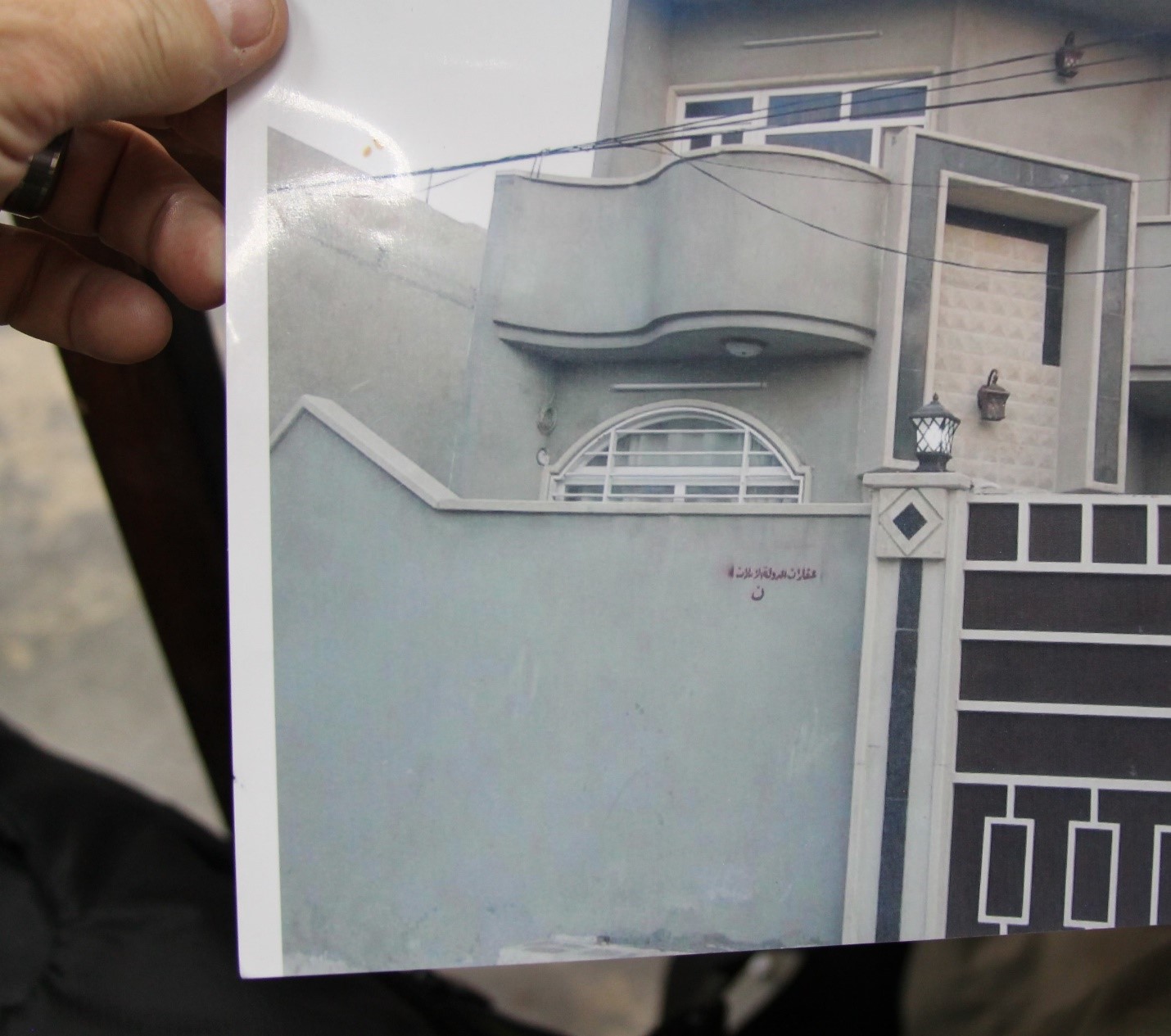
A few days later his home received the Mark of the Nazerne, an Arabic symbol that meant a Christian lived in the building. They spray painted sign also said that the home was now the property of the Islamic State.
Their bishop was killed, and I openly wept when they shared his picture.
dr5
Photo by Patheos

So he left, along with thousands of other Christians. They couldn’t take their possession, “not even medicine.” They left behind their homes, possessions, vehicles… their whole lives.
He told me he was grateful to Caritas International, the Catholic relief agency that has provided housing, and food on the grounds of the parish. “We are safe here.”
His four year old son, Daniel just returned from the hospital where he was treated for a lung issue. Another son, Zachi, 9, played with other children.

Too many promises

But, as he told me his story, I was could sense a frustration. When I asked him about it, he became animated.
“There have been too many promises. But now, nothing.”
The people in the camp have been visited by the United Nations ambassador and the foreign affairs minister of England. He’s been interviewed by US network news.
“We are still here.”
It’s a no-man’s land. Although Jordan gave his family, and 2000 others, VISAs to stay in the country, they are not allowed to work because they would compete with an already struggling native workforce. Salwan has applied for immigrant and refugee status in Canada, the U.S. and with the U.N.
If accepted by the U.N. they could go to any receiving country.

What’s next?

But until they are allowed to travel, they are stuck on the property. 10 families, their present forged by a horrific past. Their murky future is reduced to anxious boredom. They all share the same uncertainty.
At 38, Salwan seemed to give up on his own economic well-being and is singularly concerned about opportunity for his children.
“We will go any place. As long as there is security and a possibility for a future for my children.”
He has three brothers in the United States. They all own mobile phone stores and he could work immediately.
“I do not want welfare. I want to work. I want to help my family,” he said. “As Iraqis, we want to work. We cannot sit. One year now and it’s driving me crazy!”
One by one, I was struck as they told the careers they left behind – Agricultural engineer, a civil engineer, another teacher and a pharmacist. Tremendous talent, just wasting away in a corner of a church property.”
What does he dream about?
“I do not want to go back to Iraq,” Salwan said. But I want to be part of a community and a church. I want for my family o have a life again."

Sinodo della chiesa caldea a Roma: dati

By Baghdadhope*

Di seguito l'elenco in ordine alfabetico dei 22 vescovi che compongono il sinodo della chiesa caldea che si terrà a Roma dal 24 al 29 ottobre. 

1. Alnaufali  Habib (1960)
24/01/2014  Arcivescovo di Bassora

2. Alqas  Rabban
(1949)
06/12/2001 Vescovo di Amadiya
11/07/2013  Vescovo di Zakho ed Amadhiya

3. Audo  Antoine
(1946)
8/01/1992  Vescovo di Aleppo

4. Garmou  Ramzi
(1945)   
05/05/1995 Arcivescovo  coadiutore  di Tehran
07/02/1999 Arcivescovo di Tehran
20/07/2013 Visitatore Apostolico per l’Europa

5. Ibrahim N. Ibrahim
(1937)
11/01/1982 Esarca Apostolico USA
07/03/1982 Vescovo titolare Anbar dei Caldei
03/08/1985 Vescovo USA est (San Tommaso Apostolo)
03/01/2014  Vescovo emerito

6. Isaac Jacques
(1938)
07/05/1997 Arcivescovo di Erbil
04/05/1999 Dimissioni dalla carica vescovile
21/12/2005 Arcivescovo titolare di Nisibis dei Caldei e Vescovo di curia patriarcale
19/12/2012 Vicario patriarcale
15/01/2015  Arcivescovo Emerito

7. Jammo  Sarhad Y.
(1941)
21/05/2002  Vescovo USA ovest (San Pietro Apostolo)

8. Kalabat Francis
(1970)
03/05/2014  Vescovo USA est (San Tommaso Apostolo)

9. Kassab Jibrail
(1938)
24/10/1995 Arcivescovo di Bassora
21/10/2006 Arcivescovo di Australia e Nuova Zelanda (San Tommaso Apostolo)
15/01/2015 Arcivescovo Emerito

10. Kassarji Michael
(1956)
18/01/2001  Vescovo di Beirut

11. Maqdassi Mikha P.
(1949)
06/12/2001  Vescovo di Alqosh

12. Meram  Thomas
(1943)
30/11/1983  Arcivescovo di Urmia e Vescovo di Salmas

13. Nona Emil S.
(1967)
13/11/2009 Arcivescovo di Mosul
06/02/2015  Arcivescovo di Australia e Nuova Zelanda (San Tommaso Apostolo)

14. Sako Louis
(1948)
27/09/2003 Arcivescovo di Kirkuk
01/02/2013 Patriarca di Babilonia dei Caldei

15. Shaleta  Emanuel H.
(1956)
06/02/2015 Vescovo del Canada (Sant'Addai)

16. Sirop Saad
(1972)
24/01/2014 Vescovo di curia patriarcale

17. Soro Bawai
(1954)
11/01/2015 Vescovo in servizio pastorale  presso la diocesi degli Stati Uniti Occidentali
                       (San Pietro Apostolo)

18. Thomas Yousif
(1949)
24/01/2014 Arcivescovo di Kirkuk

19. Warda  Bashar M.
(1969)
24/05/2010  Arcivescovo di Erbil

20. Warduni  Shleimun
(1943)
12/01/2001 Vescovo titolare Anbar dei Caldei e Vescovo di curia patriarcale

21. Yaldo  Basel
(1970)
06/02/2015 Vescovo di curia patriarcale

22. Zora Hanna
(1939)
01/05/1974 Arcivescovo di Ahvaz
10/06/2011 Arcivescovo del Canada (Sant'Addai)
03/05/2014 Arcivescovo Emerito  


Tra i vescovi che compongono il sinodo 4 sono vescovi emeriti: Mons. Ibrahim N. Ibrahim, Mons. Jacques Isaac, Mons. Jibrail Kassab e Mons. Hanna Zora ed uno, Mons. Sarhad Y. Jammo, raggiungerà nel 2016 i 75 anni di età 

«Anche l’indissolubilità ha bisogno della misericordia»

By Vatican Insider - La Stampa
Gianni Valente

Dopo il tour de force del Sinodo sulla famiglia, quando gli altri padri sinodali se ne torneranno a casa, il Patriarca di Babilonia dei Caldei Louis Raphael I Sako resterà nell’Urbe.
Lo attende un'altra assemblea sinodale, più breve ma anch’essa piena di nodi da sciogliere e di prospettive future da indicare: il Sinodo della Chiesa caldea, convocato a Roma dal 25 al 29 ottobre, dove sarà affrontata anche la controversia interna sorta intorno a un gruppo di sacerdoti e monaci che, nel corso degli ultimi anni, avevano lasciato le proprie diocesi e le proprie case religiose in Iraq senza il permesso dei superiori, e si erano trasferiti negli Usa e  in altri Paesi occidentali dove sono sparse le comunità caldee in diaspora.

Quali sono secondo Lei le linee guida emerse dal Sinodo sulla famiglia che ispireranno dopo il Sinodo l’approccio della Chiesa sulla vita familiare?
«Nelle tre settimane abbiamo preso atto che viviamo situazioni diverse, che non affrontiamo tutti gli stessi problemi: in Medio Oriente non ci sono nemmeno i matrimoni civili... Ma vedo emergere alcune cose importanti. La prima, è la percezione condivisa che serve una elaborazione teologica nuova. Più che insistere sui punti giuridici, occorre guardare allo spirito del sacramento in quanto tale, alla sua dinamica di grazia. Anche l'indissolubilità non è una specie di “blocco meccanico di sicurezza” che scatta in maniera automatica nelle vite dei coniugi. È esso stesso un dono della grazia del Signore. Anche per questo, credo, tanti padri sinodali hanno chiesto di tornare a un linguaggio biblico».
E il secondo punto?
«Si avverte l'esigenza di una nuova pastorale, che tenga conto della realtà in cui si vive e non pretenda solo di applicare e far rispettare principi senza considerare il singolo caso, senza guardare le persone negli occhi. La misericordia non può rimanere vaga, non può ridursi a qualche buona intenzione spirituale, senza entrare nel “corpo a corpo” delle situazioni reali. Il modello rimane per sempre e per tutti Gesù, così come ci viene incontro nei racconti del Vangelo. Anche ai suoi tempi c'erano il ripudio della donna, la poligamia, gli infanticidi. E lui tratta tutto questo con lo sguardo che possiamo cogliere per esempio nei suoi incontri con l'adultera e con la samaritana. Fuori dall'abbraccio della sua misericordia, e separate da essa, le parole di Gesù sul matrimonio non sarebbero la promessa di una cosa bella che diventa possibile in virtù della sua grazia, ma solo un rigorismo ancora più soffocante di quello dei Dottori della Legge. Seguendo Gesù, la Chiesa deve essere madre e maestra. Ma può essere maestra solo in quanto è madre, Maestra come sanno essere maestre le madri. Per questo molti si aspettano di offrire i risultati della discussione sinodale al Papa, così che lui possa prendere qualche decisione profetica».

Lei è Patriarca di una Chiesa d'Oriente. Secondo Lei, la «via ortodossa» allo scioglimento del nodo sulle seconde unioni dopo i matrimoni falliti è stata valutata con attenzione?
«La disciplina ispirata alla cosiddetta “oikonomia” manifesta indulgenza nei casi concreti, tenendo conto della fragilità della natura umana ferita dal peccato originale, e non prescrive alle persone che vivono una seconda unione dopo il fallimento del matrimonio di accostarsi ai sacramenti. Ma al Sinodo non è stata presa molto come punto di riferimento. Rimane un fatto: le Chiese d'Oriente hanno adottato fin dal primo millennio l’accondiscendenza sacramentale verso chi vive una seconda unione stabile. E la Chiesa cattolica riconosce le Chiese d'Oriente come vere Chiese, con successione apostolica valida e sacramenti validi. E allora, alla luce di questo, mi sembra quanto meno azzardato sostenere che l'eucaristia concessa ai divorziati in seconda unione tradisce o contraddice la fede consegnataci dagli Apostoli. Nella comunione imperfetta che viviamo con le Chiese ortodosse, dovremmo approfittare della testimonianza reciproca per arricchirci tutti, e per accompagnare tutti verso la salvezza eterna. Noi desideriamo che le persone si salvino, non che vadano all'inferno».

Ritiene credibili i commenti di chi, da posizioni diverse, accosta la questione dei sacramenti ai divorziati risposati con altre problematiche, come quella dell’omosessualità?
«E cosa c'entrano queste due cose tra di loro? Non capisco. Nel primo caso c'è una questione che tocca la disciplina dei sacramenti. Nel secondo, la questione si pone su una altro piano. Si tratta della accoglienza pastorale alle persone omosessuali, ma è evidente che la Chiesa non potrà mai immaginare di equiparare in qualche modo il matrimonio e le unioni omosessuali».

Dopo il Sinodo sulla famiglia, voi avrete il vostro sinodo. Quali decisioni prenderete?
«Sono ottimista. Saranno presenti tutti i vescovi, e prenderemo le decisioni giuste per il bene della Chiesa, mettendo da parte i piccoli interessi personali».

Viene anche Sahrad Jammo, il vescovo degli Usa con cui vi siete divisi sulla questione dei preti trasferitisi dall’Iraq negli Usa senza l’autorizzazione dei propri vescovi?
«Ci sarà anche lui. Lo ho chiamato personalmente, chiedendogli di venire».

Sulla questione dei chierici vaganti, che ha creato divisione, la Santa Sede interviene? E in che direzione?
«La Santa Sede appoggia la carità, e tutto ciò che va a vantaggio della vita della Chiesa, e non gli interessi personali di qualcuno. La fuga dei preti che dall’Iraq scappavano negli Usa senza il permesso dei propri rispettivi vescovi, spesso portandosi dietro tutto il gruppo familiare, è un fenomeno che non può essere difeso con artificiosi riferimenti al diritto canonico. Tutti vedono con chiarezza che è una cosa brutta, che scandalizza anche il popolo di Dio, e tutti quelli che sono rimasti in Iraq nelle condizioni d'emergenza e di precarietà. I sacerdoti devono servire il popolo di Dio. A questo sono stati chiamati, quando hanno avuto la vocazione». 

21 ottobre 2015

Another ancient monastery in Iraq risks extinction

Jesse McDonald 

Nestled on the side of Mount Maqlub in northern Iraq, overlooking the Nineveh plains, sits Mar Mattai (St. Matthew) Monastery. Founded in 363 A.D. and just 20 miles north of Mosul, it houses one of the most ancient Christian libraries in the region. At one point the monastery was home to 7,000 monks, but now there are only three monks and six students to ensure life and prayer continue inside the ancient walls.
And they have cause for concern. The Islamic State is just four miles away.
Mar Mattai Monastery is the oldest Syriac Orthodox monastery in northeast Mesopotamia. Situated near the town of Bartella, it relies on the Kurdish Peshmerga and Christian self-defense forces as the last line of defense. However, these fighters most likely would not be able to hold out if confronted with an all-out assault. There is reason to fear that might occur.
In the past year Jonah’s tomb in Mosul and the ancient Christian Mar Behnam Monastery in Qaraqosh were destroyed by ISIS (Islamic State in Syria) along with many more artifacts from all religious denominations. Not only was Mar Behnam theologically connected to Mar Mattai, it displayed a magnificent architectural blend of Christian and Muslim art. Inscriptions on the walls were written in Syriac, Arabic, Armenian and Uighur. Yazidis revered this site as well.
Unfortunately, Mar Mattai Monastery could meet a similar fate.
According to U.N. officials, on the night of Aug. 6, 2014 roughly 200,000 Christians fled their homes on the Nineveh plains. Fleeing with them is a language spanning back thousands of years in the region.
According to Father Douglas Bazi, a priest in Erbil who runs schools for refugees fleeing the Nineveh plains, Mar Mattai hosts families who escaped Mosul and many more who were forced to flee from the surrounding towns. The people still speak Aramaic — the language spoken by Jesus — an ancient language with nearly three millennia of continuous records. Only Hebrew, Chinese, and Greek have an equally extensive written history.
The deliberate extinction of a language and culture is unfolding in real time.
Where is the outrage from the international community? Such treasures disappearing are not only a loss for the community but also a loss for civilization as a whole. Cries for action have lowered to a whisper. The silence is deafening. Make your voice be heard.

20 ottobre 2015

Siria e Iraq, le terre del "genocidio dei cristiani"

By Radiovaticana
Elvira Ragosta


Della difficile condizione in cui vivono i cristiani di Siria e Iraq si è discusso ieri pomeriggio, presso l’aula dei Gruppi parlamentari di Montecitorio, nel corso del convegno dal titolo “Genocidio dei cristiani”, organizzato dall’Associazione "Cristiani pakistani in Italia" e dall’Associazione umanitaria "Padana onlus".

Sono 450 mila i cristiani sfollati siriani a causa delle violenze della guerra civile e di quelle causate dal sedicente Stato islamico, 120 mila i cristiani iracheni costretti dai jihadisti dell’Is a lasciare le loro case in Iraq, scappando da Mosul e dalla Piana di Ninive verso il Kurdistan iracheno. Pochi sono i cristiani che resistono nella capitale Baghdad.
Sulla loro condizione è intervenuto il Patriarca della Chiesa di Antiochia dei Siri, Ignacio Joseph III Younan:

“Quando non c’è stabilità, non c’è sicurezza, i più deboli ne pagano il prezzo… E così noi cristiani abbiamo pagato – e stiamo pagando – il prezzo, perché non c’è una forza di sicurezza che possa proteggere coloro che sono senza difese. Se la situazione resta tale, ossia se continua a esserci il conflitto, e se non si riescono a fermare quelle bande terroristiche, il cosiddetto Sato islamico, non c’è speranza che i cristiani rimangano! Questo è un rischio che minaccia la nostra sopravvivenza”.

Un pericolo reale, che nei prossimi cinque anni – secondo il recente Rapporto sulla persecuzione dei cristiani nel mondo redatto da “Aiuto alla Chiesa che soffre” – potrebbe portare all’estinzione della comunità cristiana nell’area.
Il patriarca di Babilonia dei Caldei, Louis Raphaël I Sako:

“Il pericolo è che si arrivino a svuotare questi Paesi del Medio Oriente, sia l’Iraq che la Siria. Il pericolo a cui sono esposti i cristiani: sono perseguitati, bisogna dirlo, sono perseguitati a causa della loro religione e vanno via anche... Perciò, ci vuole una passione forte di fronte a questa tragedia: è il nostro Paese, è la nostra terra, è la nostra storia! Perché allora io, come iracheno, sono perseguitato? Io sono un cittadino iracheno, la religione non c’entra. Per questo ho detto che è necessario separare la religione dallo Stato.”

L’onda migratoria che interessa le popolazioni di queste zone, sia i cristiani che i musulmani, non ha limite – sottolinea il Patriarca della Chiesa greco-cattolica melchita, Gregorios Laham – ricordando che il 50% dei medici siriani è fuggito e che il clima di paura ha investito anche i cristiani, che in Siria hanno visto oltre 140 chiese distrutte. Ma la Siria non vuole la guerra, aggiunge il patriarca Gregorios Laham, che sulla pace auspica:

“È una voce cristiana – del mondo intero – per la pace, non per i cristiani o i siriani, ma per il mondo. Il Santo Padre quando era in Giordania ha detto: “Ci sono due chiavi per la pace nel mondo: la prima è un consenso per una soluzione condivisa, di tutto il mondo, per la Siria. La seconda è la pace e la giustizia per i palestinesi”.

Samaan Daouad ora è in Italia. E’ fuggito dalla Siria per salvare la sua famiglia e ha portato la sua testimonianza sulla condizione dei cristiani in Siria:

I cristiani in Siria vivono male, soprattutto quelli che sono ad Aleppo: sono due anni che non hanno corrente elettrica né acqua… La strada è rimasta chiusa per quasi un anno. Si lanciano molte bombole del gas e non più il colpo di mortaio che causa la caduta di un palazzo o di due o tre piani. È stata proprio una minaccia diretta contro i cristiani siriani di Aleppo e attualmente di Damasco – purtroppo anche noi a Damasco abbiamo subito molte minacce – sulle scuole, le case e le chiese cristiane.

Lei vuole ritornare in Siria?

Il giorno in cui ci sarà la pace sicuramente sì, perché la casa non l’ho venduta e tutte le mie memorie le ho lasciate lì. Non ho voluto portare neanche una foto della mia famiglia, perché mi sono detto: “Bisogna che lasci tutto lì, così tornerò e riprenderò in mano la mia vita di nuovo”.


Non solo di Iraq e Siria si è parlato al convegno. Don Gilbert Shahazad, assistente ecclesiastico dell’Associazione “Pakistani cristiani in Italia”, ha ricordato le difficoltà che vivono i cristiani in Pakistan, ai quali non è concesso aprire attività commerciali o ricoprire incarichi pubblici. E ha parlato dei tanti cristiani in carcere, ingiustamente accusati di blasfemia. Tra questi c’è anche Asia Bibi, la donna cristiana pakistana in carcere dal 2009 per false accuse. La legge sulla blasfemia in Pakistan condanna a morte chi insulta Maometto e all’ergastolo chi insulta il Corano.

Sinodo, le famiglie cristiane in Iraq testimoni di Cristo fra guerra, persecuzione e terrorismo

By Asia News
Suhaila Salim Toma e Wisam Marqus Odeesho 

La guerra, il terrorismo dello Stato islamico, la persecuzione “non hanno distrutto la fede delle famiglie cristiane dell’Iraq, che anzi nelle difficoltà hanno imparato a conoscere con più profondità il Signore Gesù”. Ai padri sinodali queste famiglie “chiedono azioni e preghiere”, ma rassicurano sulla loro volontà di continuare a testimoniare Cristo nonostante tutto”. È la testimonianza resa al Sinodo ordinario sulla famiglia dalla coppia di sposi composta da Suhaila Salim Toma e Wisam Marqus Odeesho, impegnati nella pastorale familiare della parrocchia caldea di S. Giorgio a Baghdad. Di seguito il testo completo dell’intervento (traduzione a cura di AsiaNews).
La pace di Cristo sia con voi.
È per noi un grande onore essere qui davanti a voi in rappresentanza della famiglia irachena cristiana, consapevoli che non siamo degni di tanto onore perché di certo vi sono centinaia di famiglie cristiane irachene che sono considerate da noi esempi significativi di testimonianza del nome di Cristo, di fede, pazienza e forza.
Noi siamo una delle famiglie cristiane che vivono a Baghdad dagli anni Sessanta del secolo scorso. Siamo cresciuti e abbiamo studiato nelle scuole e nelle università di quella città con i nostri fratelli nella famiglia umana, in una patria di tante religioni. Abbiamo anche partecipato alla difesa della nostra nazione in periodi di avversità, e abbiamo dato centinaia di martiri.
Siamo stati sorpresi dal terribile attacco compiuto da Daesh [lo Stato islamico in lingua araba ndt] che ha colpito tutto il popolo iracheno e la presenza cristiana nella nazione. Così, nel giro di una notte, i cristiani della piana di Ninive si sono ritrovati sulla strada; costretti a lasciare case, lavori, ricordi, proprietà, scuole… Semplicemente tutto.
Avendo perso ogni garanzia, la nuova esperienza di vita è stata molto dura. Soltanto le parole di Nostro Signore Gesù nel Vangelo di Matteo “Beati coloro che sono perseguitati a causa della giustizia, perché loro è il Regno dei Cieli” ci consolano e curano le nostre ferite. Abbiamo iniziato a sentire le testimonianze di alcune famiglie di sfollati, che hanno raccontato la loro esperienza dicendo: “Nonostante le sofferenze e le difficoltà dell’essere sfollati ci siamo ritrovati più vicini alla Chiesa, che ci ha tanto aiutato. E quando abbiamo iniziato a sentire che la nostra fede è divenuta più forte e matura, abbiamo iniziato a condividere le attività spirituali”.
Anche altre famiglie di Qaraqosh e di altre città della piana di Ninive hanno dato la loro testimonianza: “Grazie alle catechesi del Cammino neocatecumenale abbiamo ricevuto tanto aiuto; abbiamo iniziato a conoscere Cristo più profondamente, e questo ci conforta per ciò che abbiamo perso nelle nostre città”.
Oggi le sfide sono ancora molte: rapimenti, bombardamenti, furti e terrore. Ma nonostante questa situazione vi sono ancora molte famiglie che sono impegnate per la loro terra e la loro Chiesa, che testimoniano la loro fede dato che hanno capito che questa persecuzione porterà molto bene alla Chiesa di Cristo così come avvenne agli inizi, quando la persecuzione ha aiutato la diffusione della Buona novella.
Oggi vi chiediamo di sostenerci con le vostre azioni e con le vostre preghiere. Finiamo con un testo tratto dalla prima Lettera di san Pietro: “Carissimi, non meravigliatevi della persecuzione che, come un incendio, è scoppiata in mezzo a voi per mettervi alla prova, come se vi accadesse qualcosa di strano. Ma, nella misura in cui partecipate alle sofferenze di Cristo, rallegratevi perché anche nella rivelazione della sua gloria possiate rallegrarvi ed esultare. Beati voi, se venite insultati per il nome di Cristo, perché lo Spirito della gloria, che è Spirito di Dio, riposa su di voi”.

ISIS barbarity: How 100,000 Christians fled Mosul in one night

Nick Cutteridge

Father Douglas Bazi revealed how 100,000 Christians fled the Iraqi city of Mosul in one night after the jihadi fanatics embarked on a "genocidal" campaign of ethnic cleansing.
Giving a shocking insight into life under ISIS rule, the clergyman told Express.co.uk how the Christian population of Iraq has been decimated from a high of two million in 2003 to just 180,000 today.
He also revealed how jihadi fighters summarily torture and kill the families of those who speak out against them and regularly use girl sex slaves to pay for basic services including medical care.
Mosul's entire population was given a 24-hour ultimatum to either convert to ISIS's radical brand of Islam or face beheading when the terror group captured the city in June last year.
As a result 100,000 penniless Christians fled in just one night, leaving behind their homes and possessions to be looted by jihadi fighters.
Those who stayed behind had to pay a Jizya - an Islamist tax levied on non-believers - amounting to an astronomical £5,200, which is more than the yearly salary of the average Iraqi. Those who could not afford the levy were executed.
Father Bazi said: "Before 2003 we were two million Christians in Iraq. Now we are maybe 180,000
"At least 1,800 Christians have been killed since 2003 in Iraq. That's why the people are afraid.
"Overnight 100,000 people escaped from Mosul and escaped from ISIS. When they arrived and took over Mosul they told the people we have three conditions according to Sharia
"Number one was convert.
"The second was to pay Jizya (Islamic taxes) and they asked for each person to pay 4,000 to 8,000 US dollars.
"Third, they said you have to leave or you will be beheaded."

He revealed how 5,000 Christian families have fled Iraq in the last year alone, and said the few who survived under ISIS rule in Mosul told shocking tales of the depravity of their overlords.
In one case he recalled how a jihadi fighter forced a dentist to accept a girl sex slave as payment for his medical treatment.
Father Bazi said: "The dentist helped him and the man told him he would come back to pay him. The dentist said he didn't have to, but the man insisted he did because it was Sharia.
"After a couple of days he came back and he brought him a Yazidi girl and said 'this is your reward'. If the dentist refused her, he was going to shoot him, so he took the girl and managed to reach her family.
"When he told the family 'I have good news for you, your daughter is here how can I bring her to you', he was shocked because the family told him she was not a virgin anymore, so keep her, we don't want her.
"This girl, how can she live anymore when she is not wanted by anyone? If you look at the minority in Iraq, this girl is symbolic of our life."
The Christian pastor also revealed some of the horrific personal stories which unravelled amid the panic when ISIS captured the city, which was Iraq's second biggest.
He said: "There was one lady who went to the mosque to negotiate with ISIS - she said I went there and I told them 'I have my mum, she's old' and another member of the family was handicapped.
"She said 'we can't leave so can you look to us as a mercy?' And they told her there are no exceptions to anyone, the law is over all, this is Sharia."
Father Bazi also revealed how Muslims quickly turned against the Christian neighbours they have lived with for years after ISIS swept to power.
He revealed one shocking instance in which one man told his Christian neighbour of 30 years that he would kill him if he did not leave town immediately because he wanted his house.
He said: "The Muslim guy, he went to the Christian's door and knocked and said 'did you hear about the decree, the announcement is to leave in 24 hours by Allah's name, and if I see you here tomorrow I'm going to kill you because I have the right to take your home'."
Another woman, called Rawnaq, had to leave her father behind in an ISIS-controlled town near Mosul and has not heard from him since.
However, he said that many Christians were terrified of speaking out about the "genocide" being committed by ISIS because they fear the jihadis will seek revenge on the friends and family they had to leave behind.
He said: "Anyone who says anything outside, the other members of their family inside Iraq will pay for it.
"My people, they are going to leave sooner or later. I'm in love with my country, with my church, I'm proud I'm Iraqi but Iraq isn't proud because we're part of it and it's a shame.
"There's no life left behind for us now."
He said Mosul is run by two rival "gangs" of ISIS fighters - one group from Iraq and another from Chechnya in Russia. The priest also said there are around 600 Britons in the region fighting for the jihadis.

Father Bazi was speaking to Express.co.uk during a visit to Britain to highlight the plight of Christians in the Middle East.
The priest - who belongs to the Chaldean branch of Christianity - was captured and tortured by al-Qaeda whilst walking home from a mass in Iraq in 2006.
He has since gone on to found centres for displaced Christians in a safe-zone in northern Iraq where more than 1,200 people - many of whom fled Mosul - are now living.
The Iraqi nation, originally from Baghdad, said that the persecution of Christians in the Middle East is a "genocide" which will soon wipe the religion of the map in the region.
And he revealed why ISIS are the most extreme and dangerous branch of radical Islam to emerge in his lifetime.
He explained: "ISIS are the third generation of radical Islam. The first was al-Qaeda.
"If al-Qaeda saw an American soldier and he was distributing candy to the kids, the al-Qaeda sniper is forbidden to shoot him because the kids might get hurt.
"[Former al-Qaeda leader] Musab al-Zarqawi was the second generation. He said don't worry, shoot him and if you're going to kill the kids don't worry about them because those kids are going to be angels in heaven.
"The third generation is ISIS. They said kill the Muslims, not just the infidels. They started with killing the Muslims that aren't according to Sharia, so imagine how they look at us."

17 ottobre 2015

Syrians in Gothenburg scared by Isis graffiti

By The Local (Sweden)

Jacob Asmar and his family discovered the message "convert or die" scrawled on the walls of their pizzeria in red paint earlier this week.
"I think it's horrible because we get thoughts that we don't want to get now (...) like we are going to die because this terrorist group is coming to Gothenburg," the 16-year-old told The Local on Friday.

"We Assyrians are worried - especially my family because we own the restaurant - about how there could be big trouble."

The pizzeria is one of a number of businesses in the Tynnered area of the city that have been targeted by graffiti appearing to support the radical Islamist group Isis (also known as IS) in recent weeks.

"It feels like persecution of Jews in the 30s when Jews in Germany had Stars of David painted on its doors. Now it happens here," said Jacob's father Yusuf Asmar in a separate interview with The Gothenburg Post.

Around 10,000 Assyrians, a Christian ethnic group originating in the region that is modern Syria, Iraq, Iran and Turkey - now live in Sweden.
 
Representatives of several Assyrian associations called an emergency meeting on Thursday night to discuss ongoing claims that Sweden's second largest city is becoming a recruitment hub for Isis, which has already targeted the Christian minority in Syria.
"Imagine if you fled persecution from your country and then started living next door to IS sympathisers here in Sweden. It is everyday life for many people," said Josef Garis, president of Assyriska Distriktet i Göteborg, one of the largest community groups for Assyrians in west Sweden.

"We know that Gothenburg is one of IS' recruitment bases, and we hear about people who express sympathy for IS here in Tynnered," he told the Gothenburg Post.

Jacob Asmar, who has Syrian parents but grew up in Sweden, told The Local he felt the mood was "definitely" changing in his home city as fighting continues in Syria, causing more citizens to flee to the Nordic nation and elsewhere in Europe.

"All those people who are coming to Gothenburg (...) I don't think they are all good people. I think many of them are from this terrorist group. They want the whole of Europe to be like them and they are coming to Europe for that [reason]."

Police in the city say they are investigating the graffiti but have admitted that it may be difficult to get to the bottom of the alleged recent vandalism crimes.

"With no witnesses or forensic evidence that can be traced, it is almost impossible to investigate such cases. The only possibility is if someone has seen something and we get tips from the public," Bertil Claesson, a spokesperson for the force explained to the Gothenburg Post.

But there are concerns among Assyrians that officers need to be prioritising their fears.

"I think the police should take more responsibility (..) I mean they are, but in Sweden if they don't get any clues about the case they close the case after a couple of weeks and that's not good," Asmar told The Local.

Meanwhile Sweden's national coordinator Mona Sahlin waded into the debate on Friday, comparing Isis propaganda in Sweden to Nazi swastikas.

"I hope that people can view the IS flag in the same way as the swastika. Then they can also intervene when they see the symbol," she told Swedish public broadcaster Sveriges Radio, describing the Islamist organisation as "the world's most dangerous terrorist group".

Jonas Ransgård, vice president of Gothenburg municipal council and a member of the centre-right Moderate party, added: "The threats now directed at individuals are therefore also a threat to Gothenburg and against Sweden."

He also told the broadcaster: "It's disgusting, it's reprehensible and it's very serious."

Una novena speciale per il sinodo caldeo

By Baghdadhope*

Il 24 ottobre si aprirà a Roma il sinodo della chiesa caldea che affronterà diverse ed importanti questioni questioni tra le quali la situazione dei cristiani in Iraq e Siria ed il conseguente fenomeno migratorio verso l'Occidente, e la delicata situazione venutasi a creare tra il Patriarcato ed una delle due diocesi degli Stati Uniti che in passato ha accolto sacerdoti e monaci che avevano, questa l'accusa del Patriarcato, lasciato le proprie diocesi e monasteri senza permesso.
Un sinodo importante, quindi, per la buona riuscita del quale a partire da ieri una preghiera speciale dedicata alla Vergine Maria è stata aggiunta a quelle del Santo Rosario nel mese ad esso dedicato.
La preghiera, pubblicata dal sito del Patriarcato, è stata tradotta ed adattata da Baghdadhope


Oh! Madre di Gesù figlio di Dio fatto uomo
hai percorso con tuo figlio la strada della gioia e del dolore 
ed hai accettato che portasse la croce per redimere noi peccatori
e ci salvasse rendendoci Suoi fratelli e figli di Dio,
eredi del regno celeste,
lavoratori nella Sua vigna e nella Sua chiesa che è la sua sposa.
Stendi, o Madre, il mantello della tua protezione sulla Santa Chiesa Caldea 

ed intercedi presso la Santa Trinità e l'unico Dio
che ti ha fatto Regina del cielo e della terra 
perchè essa scenda sul nostro Patriarca e sui vescovi del sinodo della chiesa a Roma
perchè lavorino per il bene della Chiesa e la salvezza dei fedeli. 
Madre del Perpetuo Aiuto, ci affidiamo alla tua intercessione, prega per noi.
Preghiamo ancora Nostro Signore per la pace e la gloria. 

Sua Beatitudine Louis Raphaël I Sako, Patriarca di Babilonia dei Caldei (Iraq), Capo del Sinodo della Chiesa Caldea

By Sala Stampa della Santa Sede in Il Sismografo blogspot

In occasione della Commemorazione del cinquantenario dell'istituzione del Sinodo dei Vescovi 

 Louis Raphael I Sako, Patriarca di Babilonia dei Caldei

1. Questa iniziativa geniale ed evangelica fatta nel 1964 da un Pastore con un carisma straordinario come Paolo VI è una iniziativa profetica. Adottare un metodo collettivo che unisce la chiesa di tutti i Paesi per studiare un tema, era una cosa nuova. Ci ha donato una ricchezza straordinaria, soprattutto nel sentirci una sola famiglia e più forti nel nostro cuore e nella nostra missione di pastori. Dialogare insieme (collegialità) è stato per noi un balsamo spirituale di bellezza profetica.
2. Il nostro grazie va senz’altro ai suoi successori che hanno continuato la sua idea e non solo ma indire dei sinodi straordinari. Lavorare insieme per contribuire alla realizzazione di un progetto con tutti gli elementi spirituali ed ecclesiali non è facile, ma con la guida sicura dello Spirito Santo ha portato sempre dei frutti. Tanti sono i contributi scaturiti e nati dai sinodi durante i 50 anni. La mia riflessione mi porta a dire che insieme, si può lavorare e fare del bene non solo alla chiesa ma anche alla società. I sinodi hanno trattato argomenti che riguardano la vita della chiesa cattolica, teologia, spiritualità, pastorale, missione, disciplina.
3. L’interesse di questi sinodi è l’aggiornamento, cercando di dare un senso alla vita dei fedeli con tanta speranza, ciò di cui hanno bisogno. Formare informando è questo il nostro motto nel lavoro che svolgiamo ogni giorno insieme ai nostri collaboratori. Noi orientali siamo abituati alla sinodalità, cioè lavorare insieme. Ma ci dobbiamo realizzare una sinodalità affettiva ed effettiva così pure riguardo alle conferenze episcopali locali.
4. Questi sinodi da cinquanta anni con semplicità, libertà, accortezza ed attenzione ci hanno fatto respirare il soffio buono del vento dello Spirito, che ci ha fatto sentire la sua presenza tra noi. Quel vento soffia ancora oggi nella nostra terra, nel nostro cuore e nella nostra mente.
5. Come professore poi rettore del seminario maggiore e poi come vescovo ho sempre seguito e approfittato del messaggio di questi sinodi, e non solo nell'insegnamento ma anche nell’accompagnamento dei seminaristi e fedeli.
6. Come orientali, forse non abbiamo approfittato molto di questi sinodi, dato il nostro esiguo numero, l’ambiente che sempre piena di problemi, di conflitti e di insicurezza, la società musulmana che considera la religione come una cosa sacra e immutabile non facilita il cambiamento. I nostri padri erano più coraggiosi di noi.
7. Ma abbiamo approfittato almeno di due sinodi, il sinodo per il Libano, e per il medio oriente e anche il sinodo per Asia. Siamo piccole Chiese, ci manca il personale, il metodo… Abbiamo bisogno d’essere aiutati e non isolati o marginati… Senza l’aggiornamento non c’è entusiasmo. Il messaggio del Vangelo è per sempre e per tutte le persone e culture… dunque l’aggiornamento è una esigenza e un impegno.
8. Il sinodo approfondisce la comunione e rinforza l’unità nella chiesa e l’universalità. Bisogna lavorare insieme con coraggio ed investire sulla formazione dei nostri preti, religiosi e religiose, fedeli per realizzare una "casa comune" dove tutti possiamo integrarci e amarci da veri cristiani.
9. Invito la chiesa a rivedere e studiare la situazione attuale degli suoi istituti per corrispondere alla situazione attuale in cui vivono i cristiani e per conservare la sua veridicità e lo zelo evangelico e pastorale.
10. Credo che ci sono certe cose nella chiesa che sono rimaste fuori uso, e non vanno bene per l'oggi e per le nostre realtà. Per questo è necessario formulare nuovi leggi adatti ai nostri tempi e fedeli. Spero che oggi il sinodo sulle famiglie ci darà un impulso per una nuova pastorale familiare.
11. Il concetto della sinodalità sia integrato nella vita e spiritualità della Chiesa insieme al principio della
sussidiarietà per un continuo aggiornamento e rinnovamento nella Chiesa.
12. Si auspica di fare molto più per un seguito dopo ogni sinodo per realizzare i risultati post sinodali nelle strutture della Chiesa. Grazie.
 

How Chaldean Bishop Soro and a special ops team are helping Iraq’s Christian refugees

By Angelus News
Kate O'Hare

Driven out by the militant Muslim group ISIS, thousands of displaced Christians from Iraq’s Nineveh Plain — those lucky enough to have escaped with their lives — are refugees in other parts of Iraq, including Kurdistan.
Many, if not most, of the Christians will be forced to leave Iraq forever, but some are determined to stay and see that Christianity maintains a living presence in some of the places that first heard the message of the Apostles.
In America, there are those determined to help. They can’t work a miracle, but you have to start somewhere.
Chaldean Catholic Bishop Mar Bawai Soro resides at the Chaldean Eparchy of St. Peter the Apostle in El Cajon, in San Diego County. It serves approximately 60,000 Catholics in several western states who are part of the Chaldean or Assyrian Rite. Many are immigrants from the Middle East, especially Iraq and Iran.
Bishop Soro was formerly a bishop of the Assyrian Church of the East. A longtime advocate of the primacy of the Apostolic See of Rome — he proudly displays thick albums of photos of the times he has met Pope Saint John Paul II, Pope Emeritus Benedict XVI and Pope Francis — Bishop Soro was received into the Catholic Church in January 2008.
He recently joined forces with Kingdom Special Operations, a Las Vegas-based private security company. Staffed by former intelligence officers and military Special Forces members, it goes on assignments worldwide for the U.S. government and other entities.
But the CEO of Kingdom, Orange County native Roger Flores, is a Catholic and a Knight of Columbus, and he has always maintained that part of Kingdom’s mission is to help his fellow Christians.
Flores and his compatriots have spent much of their adult lives living in tents and similar structures in war zones and disaster areas, and he wants better for the Christians currently living in refugee camps.
“Our commitment,” said Flores, “is to build a suitable transitional location away from harm.”
Kingdom Special Operations is financially and physically managing the project in the U.S. and abroad, committing to build 50 prefab homes to sustain Christians and their families.
“These are homes that can withstand grueling desert winds and climate,” he said. “We will also build infrastructure for power, water, food, medical, sanitation and security.”
Bishop Soro explained that those being helped by Kingdom Special Operations wish to stay in Iraq.
“They are in Erbil, in Dohuk, in the cities of Kurdistan. They are people who were forced to leave Basra, Baghdad, the Plain of Mosul, and they all went to the north because of the security there,” Bishop Soro explained.
“Many of them would like to remain in Iraq, for a number of reasons, because they want to keep Christianity flowing,” he said. “They are more thinking of their fate and destiny than of their personal benefit or children or family.”
Bishop Soro acknowledged that the majority of Iraqi Christians want to leave Iraq, but called those who want to stay “heroes” who should be helped.
Flores’ plan is to partner with a company in Indonesia that will supply prefabricated homes, five of which can be packed into one shipping container. Using land provided by local churches, the homes can be used to establish safer and more sustainable communities for vulnerable Christian populations.
While Bishop Soro is willing to help those who stay, he cannot, in good conscience, tell them to do so.
“As a church leader,” he said, “I will not encourage anybody to stay. You know why? Not that I do not want them to stay, or I want them to leave … no, it’s a lot of responsibility. I cannot take that responsibility.”
Bishop Soro thinks, if these Christians do want to stay, Kurdistan may be the place, calling it the “only hope” for those who wish to remain in Iraq.
“They need a permanent government to protect them,” he said. “They need law and order. The most suitable place would be Kurdistan. We’re talking about a year or two transitional arrangement.”
And as much as they need a roof over their heads, Iraq’s Christians need hope.
“What we’re trying to do,” said Flores, “is give other Christians a little bit of hope. Without hope, there’s nothing. You have to have hope.”

16 ottobre 2015

Iraq, parlamentare cristiano: Unite, Mosca e Washington possono battere lo Stato islamico


In Iraq vi sono “interessi esterni” che premono in direzione di una “divisione in tre parti” del Paese [sunnita, sciita e curda] e forse questi attori “potranno creare situazioni di caos, tensione e conflitto”, ma “non avranno successo”. “Forse i curdi” nel lungo periodo “potrebbero staccarsi” e dar vita a una nazione autonoma “ma non adesso, in futuro. E forse un futuro lontano”.
È quanto afferma ad AsiaNews il parlamentare cristiano Yonadam Kanna, leader dell'Assyrian Democratic Movement, membro della Commissione parlamentare sul Lavoro e gli affari sociali. Per i sunniti e gli sciiti, spiega il politico, il discorso è diverso e “non lo faranno”, in particolare dopo “gli attacchi della Russia e la possibili cooperazione fra Washington e Mosca” [al terzo round di colloqui, ndr] che “uniti” potrebbero mettere “la parola fine a questo conflitto”.
L’avanzata delle milizie dello Stato islamico (SI) in Siria e Iraq - dove controllano quasi metà del territorio, sebbene si tratti di aree in prevalenza desertiche fatta eccezione per Mosul, Anbar (Iraq) e Raqqa e Palmira (Siria) - ha subito una brusca frenata in concomitanza con l’inizio dei raid russi. Da fine settembre Mosca ha lanciato pesanti bombardamenti contro obiettivi dei miliziani in Siria, a sostegno del presidente Bashar al-Assad, provocando forti perdite fra i jihadisti. E anche sul versante irakeno cominciano a perdere colpi.
I raid russi e le operazioni della coalizione internazionale, spiega Yonadam Kanna, hanno permesso all’esercito irakeno, ai peshmerga, ai tribali e ai gruppi di lotta popolari di guadagnare terreno. “A Kirkuk - racconta - i curdi hanno liberato 12 villaggi, mentre i militari di Baghdad hanno circondato Anbar e Ramadi”. Tuttavia vi sono anche dei problemi, fra cui “il crollo del prezzo del petrolio e la mancanza di fondi”, che rendono critica la situazione con l’inverno alle porte. “Per questo - avverte - serve l’attenzione della comunità internazionale, oltre che aiuti e più serietà nella lotta allo SI”.
Il parlamentare cristiano definisce l’intervento russo “molto più efficace” nella lotta allo SI, rispetto a quanto “fatto sinora dalla coalizione internazionale”. Al contempo, avverte, è necessario che Mosca “non vada per contro proprio, ma si coordini con le altre forze sul terreno come gli Stati Uniti”. E ancora, non deve sembrare che “si stia muovendo per difendere gli sciiti dai sunniti, così come l’America e l’Occidente non devono sembrare i difensori dei sunniti dagli sciiti”. Entrambi devono essere “uniti nella lotta al terrorismo” e “non devono sembrare difensori dei cristiani contro l’islam… questa è una lotta unita al terrorismo”.
Finora Turchia e Arabia Saudita hanno condizionato l’intervento americano in Iraq, che ha cambiato idea in corsa dopo aver capito che questi movimenti estremisti islamici si sono rivelati dei gruppi terroristi. “Tutto è cambiato - racconta Kanna - alcuni alleati di Europa e Stati Uniti hanno tradito, non hanno sostenuto i movimenti democratici di opposizione in Siria [e altrove] ma i terroristi, e questo è il risultato”. Le soluzioni finora “non sono state ottimali, ora si cerca una strada comune fra  Mosca e Washington e questo è positivo: se ciascuno dei due va per contro proprio è un pericolo per la pace, ma se lavorano in comune vi sono buone prospettive. Vi è un rischio concreto di penetrazione massiccia dell’estremismo in Europa, in Occidente, un problema globale di sicurezza che non riguarda solo l’Iraq, la Siria”.
In questo contesto si fa sempre più critica la situazione dei cristiani, molti dei quali hanno abbandonato il Paese o hanno trovato rifugio nel Kurdistan irakeno, per sfuggire alle violenze dello SI abbandonando in tutta fretta le loro case a Mosul e nella piana di Ninive. In poco più di un decennio la popolazione è dimezzata e anche il riconoscimento nella Costituzione della minoranza, della lingua aramaica, della quota riservata in Parlamento non sono bastati. “Le discriminazioni - racconta il leader cristiano - sono un dato evidente, basti pensare alle possibilità di lavoro. Il 60% dei membri che un tempo formavano la comunità della capitale è fuggito, noi siamo in pericolo, il nostro patriarca [Mar Sako] e i vescovi fanno bene a denunciare, il nostro popolo deve essere protetto dalla comunità internazionale”.
Dopo duemila anni nella piana di Ninive non si sente il suono di una campana e non si celebra una messa domenicale. Le persone soffrono, il governo non interviene a fondo, la crisi economica acuisce i problemi e manca la fiducia nel futuro. “La sopravvivenza della comunità cristiana d’Iraq - sottolinea il parlamentare - è legata alle settimane, ai mesi che serviranno per cacciare l’Isis e riportarli a Mosul e nei loro villaggi, avviando un nuovo piano Marshall che permetta loro di ricostruire un’esistenza dignitosa. Servono lavoro, infrastrutture, protezione internazionale e riconciliazione fra le diverse anime del Paese”. Infine, conclude Kanna, è necessario “risolvere il problema fra Erbil e Baghdad, delineando con chiarezza il controllo delle rispettive aree.

Iraqi nun who fled monastery now helping refugees


Sister Hayat, 30, lived a sheltered, spiritual life in a Dominican monastery near Mosul, northern Iraq. She took care of the children in an orphanage and taught anthropology at the local university. In the summer of 2014, IS fought their way into Mosul and the nuns were forced to flee.
“When we realised that running was our only option, all the nuns packed a bag. We met in the church and prayed, before kissing the floor one last time and closing the door of the monastery behind us,” she told Open Doors International during a recent visit.

She expected to be able to return soon, but the military strength of IS grew stronger and stronger. Most of the tens of thousands of Christians that fled the Mosul area in 2014 are still stuck in refugee camps in the area. Their homes are now occupied by IS fighters or were robbed by their former neighbours.

IS also confiscated the monastery that Sister Hayat had called home for more than 10 years.

“Sister Maria, the abbess of our monastery, was called on her cellphone by an IS commander a few days after we left. ‘Just to let you know, I’m sitting in your chair now and am running things here,’ he said, obviously trying to taunt her. He asked her where we kept our weapons since he was convinced such a strategic building would have an armoury. Sister Maria guided him to the library, where she knew the Bible was. ‘There are no weapons here, just books,’ she said. The man shouted through the phone. ‘The Bible is the only weapon we use. I encourage you to start reading it,’ she said.”

Sister Hayat looks worn-out; the fatigue of living the life of a refugee has shaped her face. Tears flow freely when she recalls how IS ousted her from the monastery where she had dedicated her life to God 14 years earlier.

Now she is helping in a refugee centre in Erbil, where she spent five months caring for elderly nuns.
“There was no place for me to sleep, but in these eventful days nobody noticed that,” she said. “So I used the laundry room to sleep on the floor. My bag was my pillow and I made a bed of laundry every night. The nuns never knew and I didn’t want them to know I was staying in such a bad condition because I came to serve. That was my way to express my solidarity with all the people on the run.”
She also started a prayer meeting among the youth in the camp.

“The needs of the refugees were so huge that we felt the need to begin praying in an organised way,” she said. “It started as a small seed with just a few youth gathered in the garden of a refugee centre. They lit candles and prayed silently or out loud. Many prayed things like ‘God, have mercy upon us!’ or ‘God, please let us go back to our homes!’

“People pray for each other’s needs. Whole families show up asking for prayer and pray for others in return.”

Sister Hayat says Christians in Iraq are “confused, in shock, and feel unsafe. They are without identity and feel completely lost in their own country. They’re asking God what He wants them to do. Should they migrate? Or should they stand firmly in this country, accepting what God is doing here? Pray that God opens doors for them and shows them which one to take.”

Knights of Columbus raise millions to assist Christians of Iraq

By Angelus News
Joyce Coronel


Father Douglas Bazi has suffered for his Christian faith in ways most Americans can’t fathom. A native of Iraq, the Chaldean Catholic priest has been shot at, kidnapped and tortured.
“One day, I believe they will kill me,” Father Bazi says.
Now, he’s working alongside the Knights of Columbus to raise awareness about the plight of Christians in his homeland.
During the month of September, the Knights sponsored a 60-second commercial to call attention to the ongoing struggle of Iraq’s Christians, driven from their ancestral homes by ISIS during the summer of 2014. About 100,000 have been living in refugee camps ever since.
Father Bazi is helping to lead the exiled Christian community and was featured in the commercial, asking viewers to “save my people.”
And while most people refer to the displaced Christians as refugees living in camps, Father Bazi prefers not to think in those terms. In the appeal, he refers to centers.
“I call it a center because camp is a negative word,” Father Bazi told The Tidings. “And I never call them refugees. I call them relatives.”
The Mar Elia center where Father Bazi lives is currently hosting 110 families. The families were living in tents for many months but are now in steel caravans, or small manufactured structures. The caravans offer a bit more protection, but each family is squeezed into a space that measures 10 feet by 20 feet.  
“If they are seven or five or two people, it’s just for one family. Of course there are no restrooms. We use the public one that is beside the center,” Father Bazi said.
When asked what message he would like the world to know about the crisis facing his people, Father Bazi boils it down to three words: pray, help and save.
“First, I ask for prayers for us, because with faith, we can survive. It makes us so that we cannot give up suddenly,” Father Bazi said. “When our heart has faith, we can help and deal with this situation.”
In the midst of so much difficulty, he is forging ahead, baptizing babies, celebrating Mass, training catechists and directing a school for 388 students. After school hours, he returns to Mar Elia Church until 8 or 9 p.m.  
Still, more than a year has passed since the Christians were pushed from their homes and many wonder what the future holds for them. They long to be reunited with loved ones, many of whom have scattered around the globe over the last decade. The younger women say they would be afraid to ever return to their homes, worried that they too could be captured by ISIS and sold as sex slaves.
“People here, they are dying by sorrow. That’s why I say, please save us,” Father Bazi said. “Among my people, no one blames God for what happened. They blame man.”
The Knights of Columbus was one of the first organizations to commit to helping the Christians of Iraq when the ISIS onslaught began. The new effort, launched Sept. 3, financed the delivery of one month’s supply of food to more than 13,500 displaced families from Mosul and Nineveh who fled to the Erbil area in Kurdistan.
The food assistance is part of the Knights’ multi-million dollar initiative to help the persecuted Christian and other religious minorities of the Middle East. The latest effort will bring the Knights of Columbus’ assistance in the Middle East to more than $4 million overall, with $2 million having been raised since the end of July, according to the Knights.
Each one-month food package typically contains staples such as tins of fish and meat, as well as rice, sugar, cooking oil, tomato sauce, beans, cheese, wheat and pasta. The $60 per package cost includes transportation and packaging, for a total cost of $810,000.
Mark Arabo, a San Diego businessman, is an advocate on behalf of the Christians of Iraq. Active in the Chaldean Catholic community, he’s traveled the country and has spoken at more than 100 churches and organizations, trying to get people to recognize the dire situation of Iraq’s beleaguered Christian community.
“It’s a genocide. People are being targeted and killed just because they’re Christians. It’s heartbreaking,” Arabo said.
He’s also visited Congress and the White House, but admits it hasn’t done much good.
“You would think that if you go to Congress or White House or the president and said there is a genocide happening in real time and these are the victims who are being killed … you would think we would do what we did in Bosnia, but we’re not. The government is failing. We can’t put humanity in the hands of our government,” Arabo said. The support of the Knights of Columbus for the region’s Christians, Arabo said, is “amazing” and deeply appreciated.
“God bless them and give them the clarity and the strength to carry the mission forward,” Arabo said. “We need as much awareness of the plight of Christians in the Middle East as possible. Christianity is on life support in the Middle East — it’s under attack and the frontlines are here in America.”