"La situazione sta peggiorando. Gridate con noi che i diritti umani sono calpestati da persone che parlano in nome di Dio ma che non sanno nulla di Lui che è Amore, mentre loro agiscono spinti dal rancore e dall'odio.
Gridate: Oh! Signore, abbi misericordia dell'Uomo."

Mons. Shleimun Warduni
Baghdad, 19 luglio 2014

8 aprile 2019

First Armenian Apostolic Church Opens in Kurdistan Region Capital Erbil

Photo Kurdistan24
By MassisPost

Iraqi-Armenians who fled sectarian violence in northern Iraq for the comparative security of the Kurdistan Region capital of Erbil can finally pray in their own place of worship.
The Church of the Holy Cross opened its doors on April 6 in a special ceremony attended by Armenian clergy, including the Primate of the Armenian Diocese of Iraq Avak Asadourian, diplomats, and Kurdistan Regional Government (KRG) officials.
The church has been built and supervised by the KRG’s Ministry of Endowment and Religious Affairs and is located in the district of Ankawa, an area known for having a predominantly Christian population.
The KRG paid for the church’s construction at a cost of 2.2 billion IQD ($1,845,000).
“The opening of this church itself is laying another foundation stone for a peaceful coexistence of different ethnic and religious groups in the Kurdistan Region,” Safeen Dizayee, the spokesperson of the KRG present to represent Prime Minister Nechirvan Barzani at the observance, told Kurdistan 24.
He stated that the culture of tolerance and coexistence is not a political decision, but it rather has deep cultural roots in Kurdistan. Dizayee also said he hoped that displaced Christians could return to their homes in the Kurdistan Region and areas with diverse populations outside Mosul known as the Nineveh Plains.
The Kurdistan Region is home for over 120,000 Christians, distributed throughout the different provinces but with the majority living in Erbil and Duhok. Following the emergence of the Islamic State in Iraq in 2014, most were displaced to areas administered by the KRG, while others fled abroad.
Four of the Kurdistan Region’s five Armenian Churches are in Duhok province. An estimated 600 Armenian families live in the Kurdistan Region – 490 of them in Duhok and 110 in Erbil.

Read also:
Kurdistan 24

Masrour Barzani discusses coexistence in Kurdistan with Armenian Orthodox clergymenNews am
Armenia Ambassador to Iraq holds meetings with Iraqi Kurdistan leadership

5 aprile 2019

“Back to life in Iraq. Arte, distruzione e rinascita”

By Rete Veneta News
Emanuele Confortin


Era il 6 agosto del 2014, poche ore prima i miliziani dell' autoproclamato Stato Islamico retto da Abu Bakr al Baghdadi avevano superato gli sbarramenti difensivi dell'area di Bartella, 20 km ad est dalla città di Mosul. In migliaia erano scappati, portandosi verso Erbil, la città principale del governo curdo in Iraq.
Ed è proprio in un campo profughi che il collega reporter Emanuele Confortin di Castelfranco Veneto, trova un rifugiato interno, il maestro Matti al Kanun professore d'arte che a Bartella aveva comperato casa, per godersi la meritata pensione.
Cristiano siriaco, ha raccontato dei suoi dipinti abbandonati a casa, vista la fuga con la famiglia.
E il desiderio, una volta liberata la sua città, di capire quali fossero le condizioni della propria abitazione. La casa aveva retto, le sue opere anche, seppur squarciate con un pugnale, per mano dell'Isis, proprio quelle tre che raffiguravano la cristianità.
Al Kanun le rivuole, vuole cercare di rattoppare quelle ferite inflitte all'Iraq e alle sue tele. Confortin organizza il recupero, grazie anche al The International Center for Humanities and Social Change di Cà Foscari Venezia. La mostra itinerante che ospita le tre tele, come pure gli scritti e le gigantografie del giornalista veneto, ospitata alla Chiesetta dell'Angelo di Bassano Del Grappa, sarà aperta fino al 2 giugno.


Help us re-build: Iraq Archbishop's plea to UK Government

By Aid to the Church in Need (UK)
Citra Abbott

An urgent appeal to the UK Government has come from a leading bishop in Iraq desperate for help to rebuild homes in a Christian town devastated by Daesh (ISIS) extremists.
In an interview with Catholic charity Aid to the Church in Need, Archbishop Petros Mouche highlighted the struggle to rebuild homes in Qaraqosh (Baghdeda), the largest Christian-majority town in the Nineveh Plains.
The Syriac Catholic prelate, many of whose faithful live in Qaraqosh, said: "We are waiting and hoping that governments like that of the United Kingdom will step in and help us on this front."
With thousands of Iraqi Christians finally returning to Qaraqosh after more than three years in exile, Archbishop Mouche said that the Christian communities were slowly "coming back to life".
He paid tribute to Aid to the Church in Need and other organisations which have prioritised rebuilding homes in Qaraqosh and nearby villages to enable the return of families wanting to rebuild their lives in Nineveh after Daesh forces were forced out in autumn 2016.
Archbishop Mouche said: "Credit belongs to the faith-based and humanitarian organisations that rushed in to support us."
ACN has played a key role in the repair of more than 6,300 damaged homes in Nineveh but a further 14,000 have yet to be rebuilt.
Speaking out against the Iraq government authorities, the prelate said that "the positive change that has occurred in our region" was achieved without help from the state.
"Our confidence in the state is low. The Iraqi government has made many promises, but few projects have been implemented."
In summer 2014, Daesh militants forced hundreds of thousands of people to flee when they invaded Mosul and Nineveh - and 120,000 Christians sought refuge in nearby Kurdish northern Iraq with thousands of others fleeing abroad.
Archbishop Mouche believes that with increased international help, more Iraqi Christians would return "if they could live in peace and stability."
He said that funding, foreign investment and job opportunities were essential and that requests for "major projects" to be launched in the region had been made.
The archbishop hit out against what he called weak and ineffective government, warning that it might prompt more Christians to leave.
He said: "There is not one specific party with plans to attack Christians.
"However, whoever has ambitions to grab our land… does not respect the rights of others. Such parties don't feel comfortable with our survival and ongoing presence."
Archbishop Mouche added: "The Church as a whole is sparing no effort to claim the rights of its people and to secure an area where we can live in dignity and peace.
"Church leaders do their best to instil confidence and hope in our people, but without forcing anyone to return, stay or be displaced. That decision each family must make for itself, the decision that guarantees its dignity, its future, especially the future of the children."

Iraqi Christians call for safe zones as they struggle to find solace

By The National

Iraq's Christians are calling for an internationally protected safe zone to let them rebuild their lives after the brutal rule of ISIS that threatened to end their 2,000-year history.
Although the Iraqi government declared victory against the terror group in 2017, Christians are continually targeted and caught in the middle of sectarian conflict, said Zina Kiryakos, president of the Iraqi Christian Foundation.
“We want an internationally protected safe zone to give the genocide victims the ability to rebuild and recover in Nineveh Plains with peace and security,” Ms Kiryakos told The National.
Iraq is home to a variety Christian denominations, a representation of the country’s religious and ethnic diversity.
But the damage done to Christian enclaves on the Nineveh Plains, east of Mosul, after their capture by ISIS has been so extensive that it has become difficult for minorities to exist in peace.
The Iranian-backed militias mobilised to fight ISIS, also known as Hashed Al Shaabi, have against the will of local Christians taken over the liberated Syriac towns of Qaraqosh and Bartella, and the Chaldean town of Karemlash in Eastern Mosul, Ms Kiryakos said.
“Many Christians living in Nineveh Plains are fearful of returning to their homes in those areas due to the Shiite militias taking over their towns,” she said.
The militias are trying to take over the Nineveh Plains to make a road for themselves from Iran to Lebanon, passing through Iraq and Syria, Ms Kiryakos said.
The US, whose forces helped Iraqi troops to defeat ISIS, and the Iraqi government have rejected the idea of a safe zone.
Christians also proposed that the US-led global coalition against ISIS could train them to guard and police their towns under the authority of the government, but this was also turned down, Ms Kiryakos said.
She said Iraqi Christians were shocked when US President Donald Trump said in January that US troops would remain in Syria to protect the Syrian Kurds and help to create a safe zone for them in the country's north-east.
“After hearing this news, Iraqi Christian advocates decided to publicly cry foul play since our calls for an internationally protected safe zone for Christian victims of ISIS in northern Iraq were ignored for years,” Ms Kiryakos said.
Christians in Mosul were forced to flee when ISIS seized the northern city in mid-2014 and began destroying centuries-old religious sites, ending a presence that once numbered in the tens of thousands and went back to Christianity’s earliest years.
Today, Iraq has nearly 500,000 Christians, according to Cardinal Louis Raphael Sako, Patriarch of Babylon of the Chaldeans and head of the Chaldean Catholic Church.
“At one point Christians represented 20 per cent of the Iraqi population, but the number dropped to 10 per cent and it now stands at 2 per cent,” he told The National in February.
The number of Christians started to decline after the US-led invasion that toppled dictator Saddam Hussein in 2003.
Like millions of other Iraqis forced to leave their homes when ISIS seized a third of the country, members of the Christian community have moved from northern towns and villages to the capital or other cities, and many joined the masses fleeing to Europe.

Christian churches, cemeteries targeted by ISIS now being rebuilt after fall of caliphate

By Fox News
Caleb Parke

The Trump Administration has committed more than $340 million to help Christians affected by the ISIS genocide in the Middle East. Now, different areas are starting to see churches and cemeteries restored after the terror group specifically sought their demolition.
Vice President Pence announced the Genocide Recovery and Persecution Response Program last year, partnering with non-profit groups, to help rebuild the communities that were targeted by ISIS.
"We’re continuing to work with a strong range of nongovernmental organizations — NGOs, as they are known — including the great ministry of the Knights of Columbus," Pence said last week in an address at Ave Maria University. "We’re going to rebuild these communities. We’re going to work with our partners across the Nineveh Plain, Iraq, the Kurdish region of Iraq. And we’re going to see these communities come home."Supreme Knight Carl Anderson, whose congressional testimony was a key component in drafting "The Iraq and Syria Genocide Relief and Accountability Act," which passed unanimously and was signed into law by President Trump in 2018, recently visited Iraq at the invitation of Archbishop Bashar Warda of Erbil as part of the partnership to provide aid for reconstructing a Catholic church and restoring Christian cemeteries in Nineveh.
The Knights will also help with the reconstruction of the town of Karamles, restoring property rights, building Step-In clinics in Erbil and Dohuk for displaced Yazidis, creating aid for Syrian refugees in Lebanon and Syria, and establishing a human rights and religious freedom observatory at the Catholic University in Erbil, to help create an alert system to prevent future genocides.
“Those we met with made clear that Knights of Columbus support has been decisive in helping these communities survive,” said Anderson, who met with senior Church leaders and U.S. and Kurdish government officials. “More help is on the way, as we remain committed to ensuring that ISIS and its ideology do not eliminate Christians and religious minorities from this region.”The Knights said they will provide an additional $3 million in direct funding for humanitarian programs in Iraq, with an additional $2.5 million in co-funding will be supplied by government partners for a total of $5.5 million. The Knight of Columbus has donated more than $20 million since 2014 on behalf of persecuted Christians and other religious minorities in the Middle East.
The support has funded rebuilding – and saving – the town of Karamles, after its liberation from ISIS; feeding tens thousands of displaced people; providing short-term and long-term housing for the displaced; supporting educational and medical programs for those targeted by ISIS, etc.

4 aprile 2019

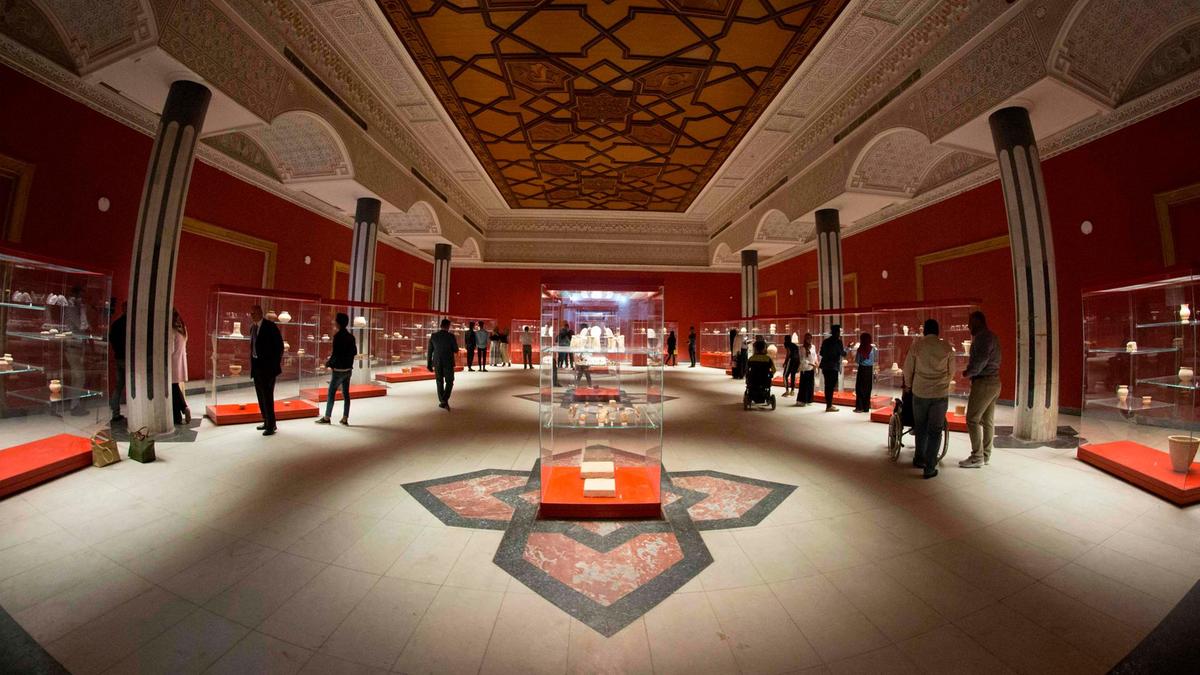
Arcivescovo di Bassora: riapre il museo per la rinascita culturale della città

Photo The National
By Asia News

Un evento “importante” per la città di Bassora “per molti aspetti: la nostra è una località antica, fondata nel 632 a. C., oggi è la capitale economica del Paese ed è la sola città di tutto l’Iraq a possedere un porto”.
È quanto racconta ad AsiaNews mons. Alnaufali Habib Jajou, arcivescovo caldeo di Bassora, nel sud dell’Iraq, commentando la riapertura completa del locale museo, uno dei centri culturali e archeologi più preziosi e significativi di tutto l’Iraq. “Ho visitato lo scorso anno - aggiunge - la prima [e unica fino a poche settimane fa] sala riaperta nel 2016 con un gruppo di fedeli di Bassora e Baghdad e devo dire che è molto bella”. 
Bassora è il centro più importante del sud dell’Iraq ed è stata teatro nel recente passato di gravi violenze, che avevano spinto la Chiesa a sospendere tutte le attività extra-pastorali. Per la riapertura del centro culturale, prosegue il prelato, si è rivelato essenziale “il sostegno del gruppo Amici del museo di Bassora (Fobm)”, un gruppo fondato nel 2010 e con sede nel Regno Unito. I responsabili locali “hanno inaugurato di recente altre due gallerie, una dedicata alle antichità assire e la seconda ai reperti babilonesi”.
La riapertura del museo al grande pubblico conferma, una volta di più, il desiderio del Paese di rendere fruibile il patrimonio culturale, parte del quale ha subito gravi danni negli ultimi decenni. Dal conflitto con l’Iran degli anni ‘80 alle violenze dello Stato islamico nel 2014, passando per la guerra del Golfo nel 1991 e l’invasione statunitense del 2003, sono molti gli episodi che hanno messo a repentaglio reperti, tesori e strutture.
La chiusura risale al 1991, quando alla fine della Prima guerra del Golfo alcuni gruppi di opposizione dell’allora dittatore Saddam Hussein hanno approfittato della confusione per depredare almeno nove musei sparsi per il Paese. Oggi, a distanza di quasi 30 anni, con la collaborazione del British Museum e di altre organizzazioni, migliaia di manufatti - alcuni dei quali risalenti al 6mila a.C. - sono tornati in bella mostra nelle sale e sulle pareti. 
La collezione, che può vantare pezzi unici di epoca sumera, assira, babilonese e del periodo islamico, era un tempo stivata in un palazzo appartenuto all’ex raìs. Qahtan Al Obeid, responsabile del patrimonio culturale e archeologico di Bassora, spiega che il museo espone “oltre duemila oggetti conservati nel museo di Baghdad e altri 100 trafugati all’estero e poi recuperati”. “Sono serviti 10 anni - aggiunge - di lavori preparatori”.
Nell’estate del 2015 l’Unesco aveva lanciato l’allarme per le profonde devastazioni compiute dall’Isis al patrimonio storico e culturale di Iraq e Siria. Sull’argomento era intervenuto lo stesso patriarca caldeo mar Louis Raphael Sako, auspicando un rinnovato impegno a tutela di beni, manufatti, opere d’arte e letteratura a rischio distruzione, un “bene universale” che vale “più del petrolio”. Oltre a ricostruire i monumenti distrutti da guerre e jihadismo, l’obiettivo è quello di riportare in Iraq il maggior numero di beni e manufatti trafugati all’estero. 
Il progetto prevede l’aggiunta di una libreria con volumi dedicati all’archeologia, una sala conferenze e un laboratorio. L’obiettivo è farlo diventare un “messaggio di pace e civiltà” per l’Iraq.
“Dopo mesi di tensione - racconta il vescovo - la sicurezza è migliorata, ma le persone continuano a soffrire per la mancanza di lavoro, di medicine, per la scarsa qualità delle cure. Ad aggravare la situazione, si sono poi aggiunge le alluvioni delle scorse settimane”. In questo contesto la comunità cristiana cerca di vivere “con devozione il periodo di Quaresima”, che molti musulmani “condividono incontrandoci nelle chiese e unendosi a noi per pregare”. “Faremo invocazioni comuni per la pace, la giustizia e per i leader irakeni - conclude il prelato - perché sappiano guidare il Paese, che continua a soffrire a livello politico, economico e sociale”.

2 aprile 2019

For religious minorities targeted by ISIS, new schools and clinics. But where are the people?

By The Washington Post in Ankawa.com
Tamer El-Ghobashy

More than two years after Islamic State militants were ousted from this ancient town in northern Iraq, only one man has returned. He lives in the wreckage of a house that has enough of a ceiling to protect him from the winter rains, with four or five stray dogs at any time for company.


In the shadow of a church pocked with bullet holes, he survives on food donated by local security forces in exchange for performing an important task: keeping looters and vandals away from three newly renovated schools and a new medical center.
Each has a sign in Arabic stating it was rebuilt through a partnership between the United Nations Development Program and the U.S. Agency for International Development. Batnaya, once home to some 6,000 Chaldean Catholics, is a small but striking example of the enormous challenge facing the Iraqi government, United States and United Nations in rebuilding and repopulating areas devastated by the Islamic State occupation and the three-year war to rid Iraq of the militants. At the current rate, it could take a generation or more to reconstruct what the conflict has ruined. Iraqi officials say it will require $88 billion to recover, far more than the government can muster on its own, and foreign help is falling far short of plugging that hole. Nor is there any guarantee that residents would return even to those pockets that are being restored if security can’t be assured and vital services provided. As a result, Iraq now confronts a double danger.
For Iraq’s non-Muslim minorities, in particular Christians whose communities are the Trump administration’s top priority, the protracted pace of reconstruction could push them past a tipping point.
Already, barely one-seventh of Iraq’s Christian population before the war remains in the country. And for Iraq’s Sunni Muslims, whose communities bore the brunt of the Islamic State occupation but have received little reconstruction help from the United States, the miserable conditions could seed a new round of militancy. The slow redevelopment of the large swaths of northern and western Iraq where the Islamic State once ruled has given rise to fears among Iraqis and U.S. officials that the militants could make a comeback, exploiting security gaps and frustration over a lack of basic services and shelter. Iraqi government officials have not responded to requests for detailed information about the funding pledged, received and spent. So far, other countries and international organizations have anted up most of the money spent, though the bulk is in the form of loans the Iraqi government will have to repay, according to the country’s reconstruction fund. The money is being distributed slowly and through patronage networks riven with corruption and bedeviled by rivalries among politicians and the armed militias that fought the Islamic State, Iraqi and Western officials say, further delaying the process.

Il Rev.do Corepiscopo Raymond Moussalli celebra il suo giubileo d'argento sacerdotale a Montreal, Canada

Foto Mons. Raymond Moussalli
By Baghdadhope*

Il giorno 26 marzo, nella chiesa caldea dedicata ai Santi Martiri di Montreal, (Canada) si è celebrato il giubileo d'argento del suo parroco, il Reverendo Corepiscopo Mons. Raymond Moussalli.

La celebrazione eucaristica è stata guidata da  Mons. Bawai Soro, Vescovo Eparchiale di Mar Addai dei Caldei in Canada, in presenza di Mons. Paul Marwan Tabet vescovo della chiesa maronita in Canada, di Mons. Paul Antoine Nassif vescovo della chiesa siro cattolica in Canada e con la partecipazione di tutti i  sacerdoti delle diverse parrocchie caldee canadesi e di diversi rappresentanti delle chiese  di Montreal. Tra i presenti anche il console siriano a Montreal, il Signor Raed Mehko.Nel suo discorso Mons. Moussalli ha ricordato le diverse fasi della sua vita sacerdotale a partire dal momento della Chiamata all'altare del Signore per la gloria di Dio e la salvezza dei popoli, ed ha ringraziato il Signore Gesù per i 25 anni di servizio sacerdotale a Suo nome con l'intercessione di San Giuseppe, Protettore della Santa Famiglia e Patrono della Chiesa Cattolica. Anni iniziati dal giorno della sua ordinazione sacerdotale, il 19 marzo del 1994, nella Cattedrale di San Giuseppe dei Caldei ad Aleppo (Siria).
Mons. Moussalli è nato nella città siriana di Aleppo nel 1966, ha studiato filosofia e teologia presso la Pontificia Università Urbaniana (Propaganda Fide) a Roma e ha conseguito un Master in teologia dogmatica. Dopo essere stato scelto per servire le chiese in Siria, in Hassake e nella capitale Damasco, nel 2002 è stato nominato Vicario Patriarcale in Giordania dall'allora patriarca caldeo Mar Raphael I Bidawid. Ad Amman è rimasto fino  al 2014 quando, nominato Corepiscopo a Baghdad  dall'attuale patriarca, il Cardinale Mar  Louis Raphael Sako, è stato destinato a servire la comunità caldea nella città di Montreal in Canada.


Foto Mons. Raymond Moussalli

Foto Mons. Raymond Moussalli


Foto Mons. Raymond Moussalli

1 aprile 2019

Is Pope Francis naive in pursuing dialogue with Muslims?

By La Croix International
Marie Malzac

Amir Jajé is an Iraqi Dominican friar and member of the Pontifical Council for Interreligious Dialogue. He defends Pope Francis' approach to the Muslim community from accusations of being "naïve" and holds that "dialogue is the only way if we are to be true to Christ."

La Croix: That the pope is extending a hand to the Muslim community is as naïve seen by some. Is this fair?
Amir Jajé: The pope's actions are guided by the responsibilities associated with his spiritual authority.
It is in this capacity, and steered by the Gospel, that he decides the Church's direction and invites us to follow.
By showing an openness to dialogue with Islam, he clearly demonstrates that the Church's vocation is one of peace, not conflict.
The pope is fully aware that he is on slippery terrain, strewn with obstacles. He is not naïve but knows that dialogue is the only way if we are to be true to Christ.
How has the pope confronted the question of Christians in the East?
His outlook aims to help Christians in the East. We all witnessed the polemic caused by the interpretation of Benedict XVI's Regensburg Lecture in 2006. His criticism of Islam had a direct impact on the lives of people living in majority Muslim countries.
It also caused the breakdown of relations between Al-Azhar, a prestigious Sunni spiritual and intellectual center and the Vatican. By seeking reconciliation through building a closer relationship with the Grand Imam Ahmed el-Tayeb, Pope Francis is trying to move past these tensions.
So dialogue with Islam is purely strategic?
This dialogue is in line with Pope Francis' fundamental outlook.
It is not about simply showing a positive image but actually bringing about a change based on the principle of working towards harmony and agreement and overcoming religious and identity divisions.
When the pope brought back refugee families from Lesbos, some people were indignant, questioning why the pope didn't choose to help Christians in need instead.
But through this act, the pope demonstrated that the Church is open to all humanity, not just those who are already part of it.
Pope Francis wanted to show his compassion for any human who is suffering, beyond religious divides.
When asked about Muslim expansion, the Pope has replied that Christianity was also founded on expansion and conquest. Similarly, he compares the violence enacted by Islam to the violence committed by Christians. These comparisons have been received very negatively by some.
Islam is currently going through a serious crisis. By pointing out the Church's own wrongdoings, the pope is courageously acting in the service of truth and dialogue. Of course, comparisons have their limits.
It seems to me that by framing the situation this way, the Pope is both attempting to show that Muslims are not the sole perpetrators as well as trying to avoid reinforcing identarian positions.
Solutions to Islam's problems have to come from within Islam. The Pope does not wish to impose answers or give moral lessons from the outside. But what he can do is to work with the Muslim community with good will.
Isn't this approach risky?
Yes, having faith in trust isn't without risks. The Pope is well aware that he may not get the outcomes he wants. At the community level, the situation is even more delicate.
In Iraq, where I come from, Christians are suffering as a direct consequence of this crisis in Islam.
In Christian families, children are always told to be wary of Muslims because sooner or later, they will betray you. And so, when the Pope makes a move towards reconciliation, they think he's making a mistake, that he doesn't really understand them.
Even within my Dominican community, it was not easy for some to understand my joining the Pontifical Council for Interreligious Dialogue. These attitudes are understandable; they are human. But Pope Francis is showing us the way.
I think we need patience. History will show that the pope is right to act in support of dialogue.

Unified Christian Authority, International Support and the Compassion of the Muslim Majority

By Chaldean Patriarchate
Cardinal Louis Raphael Sako


Some Christian writers started feeling the risk and hence calling to establish a “Unified Secular Christian Authority”. I have read these “calls” with interest, because it represents an inspiration to change the Iraqi Christian scene. Therefore, I hope that these thoughts will motivate a refreshing spirit, which will initiate the reviving of the current disturbing and frightening “gray” reality. Besides, it will help us in facing the challenges that threaten our historical existence, as we are all held accountable to the fate of our nation in Iraq.
Here, I would like to point out to the concern America, Russia, France, England, Germany, Italy, Spain, Austria, Hungary, Vatican. etc. in keeping Christians in their homelands, by urging “Iraqi” Government to “support” their full rights as equal citizens.
Simply, I refer this kind of support to the suffering; on-going violence; persecution and terrorism against Christians; and to the compassion of Muslim majorities in keeping Christians in their country, showing the desire to continue living in a pluralistic society, far from extremism and sectarianism. Especially, because Christians are the indigenous people of this land.
If immigration, division and the “foggy” vision continues, our destiny will be similar to that of Jewish in 1948. Emigration has deteriorated the “Christian body” for real reasons, and our population is “frighteningly” declined. I respect the personal decision to emigrate, as the person is responsible for making such decision. However, I confirm that I haven’t made an effort, at all to facilitate emigration, for I believe that emigration destroys the “Christian body” since  the dispersion and blending in new cultures and societies, different from ours, is like a disease that deteriorate the body even if it is still alive!
Therefore, I renew my call to Iraqi Christians to change their vision and behavior rather than useless criticisms and conflicts for personal interests. Christian Community in Mosul is almost vanished, and there are pressures on the towns of the Nineveh Plain to change its’ demography as well as the negative impact on those who returned to it.
Regarding politics, Christian parties are stolen out and its’ political agendas have nothing to do with the Christian presence, as it happened in the recent elections. Thus, our responsibility as Christians “oblige” us to unite and form an authority to “overpass” the current tragedy. Otherwise, the situation will change from bad to worse.
Apart from “ethnical denominations” and conflict of interests, the Christian culture cannot accept divisions. We share the same fate and have numerous things in common, which makes it essential now, more than ever, to get rid of pessimism and despair in order to reunite. This way, we can save what has to be saved and focus on establishing a “task force” team of both genders, whose members should be sincere with clear intellectual and practical capabilities to read and compare reality. Also, to establish a “monitoring office” to monitor the violations against Christians, in terms of law, etc.
Christians inside and outside Iraq must assume their historic responsibilities through sincere dialogue, wisdom and vision, rather than irresponsible criticism. We, as a church, promise to remain supportive in an appropriate way without interfering.
In conclusion, I believe that this is the only civilized way that enables us to play our leading role as an integrated part of our nation’s fabric; improve the current situation; and reinforce our survival in the land of our ancestors.

28 marzo 2019

Piangono per le “povere” spose dell’Isis e se ne fregano delle loro vittime cristiane e yazide

By Tempi
Fr. Benedict Kiely

Per gentile concessione del Catholic Herald, proponiamo di seguito in una nostra traduzione un articolo di padre Benedict Kiely, fondatore della charity per l’aiuto dei cristiani perseguitati del Medio Oriente Nasarean.org, apparso nel numero del 22 marzo del magazine cattolico londinese. Il testo originale in inglese è disponibile anche online in questa pagina.

Meno di un anno fa mi trovavo fra le rovine della città vecchia di Mosul, accanto alla moschea in cui il capo dell’Isis Abu Bakr Al-Baghdadi aveva proclamato il Califfato. C’era un grande buco nel tetto, e l’intera area intorno ad essa era stata bombardata e ridotta in macerie. A parte i cadaveri dei combattenti dell’Isis, che dovevano essere ancora rimossi dalla zona, il solo altro segno fisico della loro recente presenza, esclusi i loro graffiti sui muri, erano i mucchietti di peli sul pavimento di molti degli edifici; si erano rasati le barbe nel vano tentativo di non farsi identificare.
Il Califfato – lo “Stato islamico” che a un certo punto controllava una vasta porzione del territorio dell’Iraq e della Siria – è quasi sconfitto. Tuttavia, pur avendo perso la battaglia per la terra, l’ideologia estremista e le migliaia di uomini e donne che hanno giurato fedeltà al Califfo sono tutt’altro che sgominati. Gruppi che sposano la causa dell’Isis sono in crescita – specialmente in Africa e nelle Filippine – e i video delle “spose dell’Isis” catturate in Siria nelle ultime settimane mostrano quanto siano fanaticamente attaccate alla causa. Sono le donne le più accanite nella loro costante devozione all’Isis; gli uomini incredibilmente dichiarano di aver servito al massimo come cuochi o domestici.
Le spose dell’Isis – contrariamente alla narrazione ampiamente diffusa presso la stampa occidentale – non erano le vittime passive, sottomesse e indottrinate dai loro mariti. In realtà hanno dimostrato di essere tanto devote, e tanto crudeli, quanto i loro mariti. È questa l’esperienza raccontata dalle loro vittime, che sembrano essere state abbondantemente dimenticate nell’indignazione emotiva sollevata dai giornali e dai politici sui bambini figli dell’Isis.
Più di quattro anni fa, migliaia di donne e bambini yazidi sono stati sequestrati dall’Isis. Sono stati usati come schiavi del sesso e alcuni bambini sono stati perfino messi in vendita e pubblicizzati nel materiale informativo dell’Isis. Anche donne cristiane sono state fatte prigioniere e trattate allo stesso modo.
I media e i politici occidentali si sono compiaciuti quando l’ex schiava yazida dell’Isis Nadia Murad è stata giustamente premiata con il Nobel per la pace, eppure è stato fatto poco e niente per contribuire a liberare le donne rapite – o per aiutare quelle che sono scappate per salvarsi in Occidente.
Ho visitato per la prima volta l’Iraq poco dopo che l’Isis aveva occupato la Piana di Ninive e attaccato i villaggi yazidi intorno a Sinjar nel 2014. È stato veramente sconvolgente tornare laggiù per la sesta volta, appena due mesi fa, e scoprire che le famiglie yazide vivono ancora in edifici abbandonati a Erbil, esattamente dove stavano all’inizio del 2015.
Ho parlato con alcune donne yazide, tutte traumatizzate dalla perdita di parenti e amici per mano dell’Isis. Ho chiesto loro che cosa volessero. Tutte, senza eccezioni, vogliono lasciare l’Iraq. Quando domandavo dove volessero andare, la loro risposta era semplicissima: «Ovunque».

‘ISIS brides’ weren’t brainwashed. Just ask their victims

Fr. Benedict Kiely

Less than a year ago I stood in the ruined Old City of Mosul, standing next to the mosque where the Caliphate had been proclaimed by ISIS leader Abu Bakr Al-Baghdadi. There was a large hole in the roof, and the whole area around it had been bombed to rubble. Apart from the corpses of ISIS fighters which were still being removed from the area, the only other physical sign of their recent presence, apart from their graffiti on buildings, were piles of facial hair on the floor of many of the buildings; they had shaved off their beards in a vain attempt to avoid being identified.
The Caliphate – the “Islamic state” which at one point controlled large amounts of territory in Iraq and Syria – is almost defeated. However, while losing the battle for land, the extremist ideology and the thousands of men and women who swore allegiance to the Caliph are far from vanquished. Groups pledging allegiance to the ISIS cause are growing – notably in Africa and the Philippines – and videos of “ISIS brides” captured in Syria in recent weeks show how fanatically committed they are to the cause. Notably it is the women who are most vocal in their continued dedication to ISIS; the men absurdly claim to have been only cooks and domestic workers.
ISIS brides were not – contrary to the narrative widely reported in the Western press – the passive, controlled and brainwashed victims of their husbands. In fact, they have shown themselves to be just as devoted, and just as cruel, as their fighting husbands. Critically, this is the experience reported by their victims, who seem to have been largely forgotten in the emotional outrage over ISIS babies, stirred up by press and politicians.
Thousands of Yazidi women and children were captured by ISIS more than four years ago. They were used as sex slaves and some children were even advertised for sale in ISIS literature. Christian women were also held captive and treated the same way.
Western media and politicians congratulated themselves as Nadia Murad, the Yazidi former ISIS captive was rightfully awarded the Nobel Peace Prize, yet little or nothing was actually done to help free the women in captivity – or to help those who had escaped to safety in the West.
I first visited Iraq soon after ISIS swept across the Nineveh Plains and attacked the Yazidi villages around Sinjar in 2014. It was truly shocking to return for my sixth visit, just two months ago, and find Yazidi families still living in open abandoned buildings in Erbil, exactly as they had been in early 2015.
I spoke to some Yazidi women, all traumatised after losing relatives and friends to ISIS. I asked them what they wanted. All of them, without exception, wanted to leave Iraq. When asked where they wanted to go, their response was very simple: “Anywhere.”

27 marzo 2019

Assenso all’elezione dell’Arcivescovo Coadiutore di Mossul (Iraq) per la chiesa siro cattolica

Foto Patriarcato Siro Cattolico
Il Santo Padre Francesco ha concesso il Suo Assenso al Rev.do Corepiscopo Nizar Semaan, eletto canonicamente dal Sinodo dei Vescovi della Chiesa Patriarcale di Antiochia dei Siri per l’ufficio di Arcivescovo Coadiutore di Mossul (Iraq).

Rev.do Corepiscopo Nizar Semaan
Il Rev.do Corepiscopo Nizar Semaan è nato a Qaraqosh (Iraq) il 1° gennaio 1965. Dopo gli studi primari e secondari è entrato nel Seminario patriarcale di Charfet (Libano) dove, dal 1986 al 1991, ha terminato la sua formazione con gli studi presso l’Université du Saint-Esprit a Kaslik (Libano).
È stato ordinato sacerdote il 1° novembre 1991 a Qaraqosh.
Dal 1991 al 1997 è stato Vicario Parrocchiale prima a Beyrouth e poi a Qaraqosh.
Dal 1997 al 2002 ha studiato presso il Pontificio Istituto Orientale (Roma), dove ha conseguito il Dottorato nella Sezione liturgica della Facoltà di Scienze Ecclesiastiche Orientali.
Dal 2005 è responsabile della Comunità siro-cattolica in Gran Bretagna.
Oltre al siriaco, parla l’arabo, il francese, l’italiano e l’inglese.

Mosul, card Sako: ‘Profondo dolore’ per la tragedia del battello, preghiere per le vittime


Condividere “il profondo dolore” per la “immensa perdita” che ha devastato Mosul e i suoi abitanti. “Siamo qui per assicurare il nostro amore, la vicinanza e la solidarietà” ai parenti delle vittime e a tutta la città. Sono le parole che il patriarca caldeo, il card Luis Raphael Sako, ha rivolto questa mattina ai presenti durante la funzione di preghiera per quanti hanno perso la vita il 21 marzo scorso, nell’affondamento del battello sul fiume Tigri. Una tragedia che ha causato quasi 100 morti e scatenato l’indignazione popolare. In risposta, il Parlamento ha votato su richiesta del premier la cacciata del governatore e dei suoi due vice. 
Alla funzione di preghiera che si è tenuta questa mattina nella parrocchia di san Paolo a Mosul, in una chiesa gremita di fiori e di candele accese, ha partecipato il nunzio apostolico in Iraq mons. Alberto Ortega Martin, che ha letto un messaggio personale di papa Francesco. Assieme al prelato erano presenti numerosi vescovi caldei, sacerdoti, personalità musulmani e i tre membri della unità di crisi approntata dal Primo Ministro Adel Abdul Mahdi.
I partecipanti si sono uniti in una preghiera comune per i morti e per chiedere pace, sicurezza e stabilità nella metropoli del nord, che si sta riprendendo a fatica dopo gli anni di dominio dello Stato islamico (SI, ex Isis). A conclusione della funzione, il porporato ha donato 20mila dollari a nome della Chiesa caldea al fondo governativo approntato a favore delle vittime e dei loro familiari.
La nave, adibita al trasporto persone, era gremita di famiglie e turisti che celebravano il Nowrūz (capodanno curdo) ed era diretta all’isola di Umm Rabaen, località turistica circa 4 km a nord del centro della città di Mosul. Secondo quanto emerso da alcuni filmati, il traghetto si sarebbe inclinato all’improvviso sulla destra imbarcando acqua, per poi capovolgersi ed essere trascinato a valle dalle acque impetuose del fiume.
Almeno 97 le vittime della tragedia, mentre decine di persone risultano ancora oggi disperse. L’incidente ha sollevato l’indignazione popolare e ha investito le massime cariche del Paese. Da qui la risposta immediata del governo con la cacciata dei vertici dell’amministrazione locale, nel tentativo di arginare l’ira popolare e bloccare l’ascesa di nuovi gruppi jihadisti.
Nel suo messaggio, inviato ad AsiaNews, il card Sako lancia un appello ai leader politici, sociali e religiosi della provincia di Ninive, perché mostrino “unità” per il “bene” di Mosul e del suo popolo. In questo momento di dolore, la speranza è che tutti “si adoperino per la pace, la stabilità e la sicurezza” e perché sia dato nuovo impulso “al processo di ricostruzione”, lontano da dispute e vendette e da una ‘politicizzazione’ dell’incidente”.
La creazione di una “task force da parte del governo è un segnale positivo”, prosegue il porporato, ma serve la collaborazione di tutti i cittadini. La speranza, conclude, è che tutti in Iraq e all’estero contribuiscano “al compito di ricostruzione di quanto è stato distrutto dall’Isis, in particolare per quanto riguarda i reperti storici” e “incoraggiando il ritorno degli sfollati”.

By Baghdadhope
Lunedì 25 marzo 2019

Baghdad. La speranza di convivenza in una piccola chiesa. Mosul. Solidarietà della chiesa caldea alle famiglie delle vittime del traghetto affondato

The Chaldean Church in Solidarity with Mosul Inhabitants for their Great Loss


Photo Chaldean Patriarchate
On Wednesday morning, March 27, 2019, a prayer service held by the Chaldean Church in Iraq at the Church of St. Paul in Mosul, with candles and flowers on the altar and around it for the sake of all victims’ souls of the “death” ferry accident on 21 March 2019.
His Eminence Cardinal Louis Raphael Sako led the prayers in the presence of His Excellency Archbishop Alberto Ortega Martin, the Vatican Ambassador in Iraq, who read a letter from His Holiness Pope Francis to all Iraqis.
Chaldean Bishops, Mar Michael Maqdassy, Mar Bashar Warda, Mar Basilios Yaldo, Mar Robert Saeed Jarjis also participated together with Fr. Noel Farman, Patriarch’s secretary, Fr. Ephrem Gilyana, the Head of Saint Peter Seminary, Monsignor Thabet Polous Habeeb and other priests.
Members of the “Task Force” committee, established by the Prime Minister and officials in Nineveh Province attended the prayers in addition to Christians of the area and officials, expressing their deep sorrow for this disastrous incident. They united in praying, may God turn out this tragedy to a blessing of life, peace and stability of this devastated City.
Before closing the service, His Eminence Cardinal Sako donated $20,000 to the “Task force committee” as a contribution of the Chaldean Church in Iraq to help the aggrieved families.

The following is His Eminence Cardinal Louis Raphael Sako’s message to Mosul inhabitants:
Message to Mosul Inhabitants

Cardinal Louis Raphael Sako
Patriarch of the Chaldean Church

Being here at this time, to pray with you is an expression of sharing our deep sorrow for the great loss of devastated Mosul. Around couple hundreds of innocent people, most of whom were women and children lost their lives in a sinking ferry last Thursday, March 21, 2019 in the Tigris River.
We came here to assure our love, closeness and solidarity with the anguished families and all people of Mosul.
On such “troubled” occasion, we call upon all political, social and religious leaders in the province of Nineveh to unite for the sake of Mosul and its’ people who have suffered so much from such a tragedy, which is like a “horrible earthquake”.
Even though, the ferry that carries the name of “Peace”, took so many people into death, let us hope that this heartbreaking accident can be turned into an opportunity for intensifying efforts of all the people of Mosul to turn it to a ferry of life and peace.
It may strengthen them to face the challenges; motivate them to fulfill the requirements of peace, security and stability; and to start the process of reconstruction, away from political disputes, revenge and politicization of the incident toward certain agendas that do not serve the city and its’ inhabitants, but rather to drive them to despair and pessimism.
The establishment of a “Task Force” by the Iraqi prime minister is a positive sign. Therefore, we must cooperate with them enthusiastically and involve everyone, to make this event a chance to create better humanitarian, social and economic conditions for this city. Due to the current “difficult” situation of Iraq, it seems hard for the State alone to carry out all these tasks.
Consequently, there is an urgent need to have a committee of honest and sincere people who can start fund-raisings both inside and outside Iraq to rebuild what was destroyed by ISIS, especially the right side of the city that is characterized by its’ historical features.
As a Church, we will join hands and support whatever is for the good of the city, its’ unity, security, stability in order to encourage the return of displaced families. We hope to see the “revival” of Mosul by the joined effort of all its’ inhabitants.
We are praying to have this dream come true. The presence of His Excellency the Vatican Nuncio, Archbishop Ortega with us today is an extra support for what we are hoping to achieve.
We pray for the healing of those “afflicted” by this tragedy. May God shower them with His compassion and mercy and inspire their families with patience and comfort.

26 marzo 2019

Iraq issues warning of ISIS attacks on churches in Baghdad

By Kurdistan 24
Karzan Sulaivany

The Iraqi Ministry of Interior has issued a warning to Baghdad’s security forces of a possible terrorist attack by the Islamic State in response to the recent mass shooting that resulted in the deaths of at least 49 people attending mosques in the city of Christchurch, New Zealand, a classified document shows.
“It is possible that [ISIS] will carry out an attack targeting churches, especially the Saidat al-Najat Church in Baghdad…as revenge for the attack carried out against the mosques in New Zealand,” read a document distributed among the capital’s various security bodies, issued by the Directorate General for the Protection of Facilities and Personalities of the Iraqi ministry of interior, a copy of which Kurdistan 24 received.
The document was dated March 19, the same day the Islamic State published a 44-minute-long recording, urging supporters to launch attacks in all the countries that took part in fighting its organization, invoking the Christchurch attack to incite retaliatory violence.
This was just days ahead of the terrorist group’s complete territorial collapse in Syria, as announced by the US-backed Syrian Democratic Forces (SDF), following the liberation of the last small patch of land in the now infamous village of Baghouz, near the Iraqi border and on the eastern bank of the Euphrates River.
The document called on the security forces to maintain vigilance and patch security gaps to thwart possible attempts on the places of worship, notably the Saidat al-Najat, or “Our Lady of Deliverance.”
The parishioners of this church have previously been subject to violence, namely in 2010 when gunmen of the Islamic State’s progenitor stormed the building and took hostage worshipers.
The Iraqi forces attempted a rescue operation but as they raided the building the suicide bombers among the terrorists promptly detonated and killed around 40 members of the church and close to 10 security forces officers.
In 2014, when the Islamic State proper rose to prominence in Iraq, tens of thousands of Christians were forced to flee their homes, with many seeking refuge in the Kurdistan Region. The extremist group killed Christian civilians, forced some to convert to Islam, and destroyed or desecrated churches in cities like Mosul, which it controlled for years.